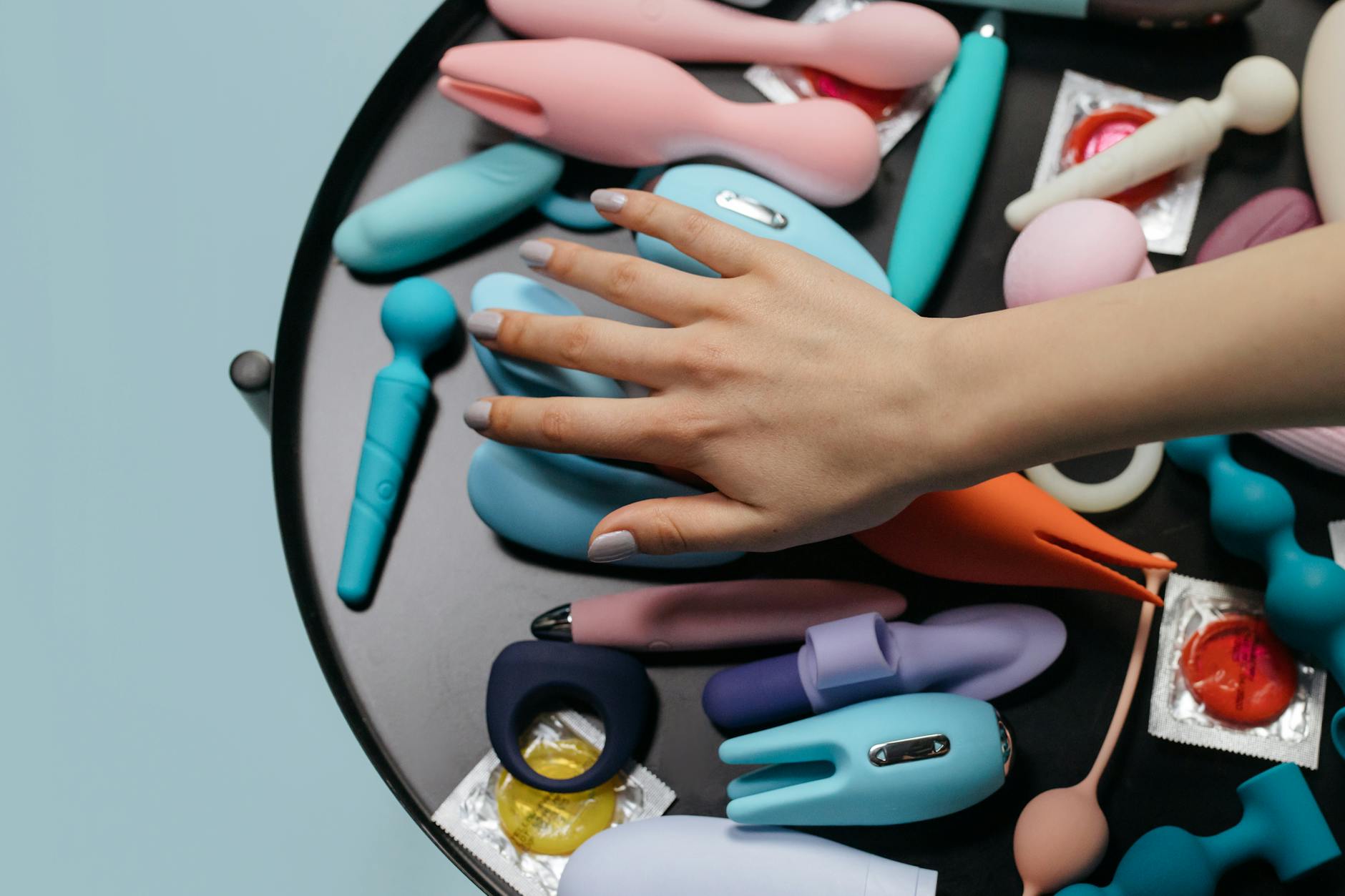
The conversation nobody wants to have (but everyone needs to)
Let's be real: when erectile dysfunction enters a relationship, the first thing that dies isn't sex. It's honesty. Both partners retreat into shame, blame cycles, or just stop trying altogether. The irony is that lemon vibrators and clitoral suction toys like the Lem offer a practical exit from that dead end. They shift the entire frame from "Can he perform?" to "What actually feels good to both of us?"
That reframe saves relationships.
Why erectile dysfunction changes the game (for better and worse)
Erectile dysfunction is usually a symptom, not a death sentence. Stress, diabetes, cardiovascular issues, medication side effects, low testosterone, or just the accumulated weight of anxiety about performance itself can all trigger it. The body stops responding the way it used to, and suddenly the whole intimate relationship feels like it's built on a faulty foundation.
Here's what most couples miss: erectile dysfunction doesn't actually prevent pleasure. It prevents a very specific kind of penetration. That's not nothing, but it's also not everything. The nervous system of someone with a vulva doesn't depend on an erect penis to have an orgasm. The clitoris has about 8,000 nerve endings, most of them concentrated in the glans. Lemon clitoral vibrators access those nerves directly. That's not a compromise. That's actually often better.
Why introducing a lemon vibrator feels so loaded
Most couples avoid this conversation for one of three reasons. Either the partner with ED feels ashamed and interprets a toy as rejection ("You need this because I can't do it"). Or the partner with a vulva feels guilty for wanting pleasure and thinks a toy makes them selfish. Or they're both just frozen, waiting for the problem to fix itself.
None of those stories are true. A lemon clitoral vibrator isn't a band-aid for dysfunction. It's a tool for expanding what intimacy can be when one part of the usual script stops working.
The softest entry point? Framing it as collaboration. Not "I need this because you can't," but "Let's explore this together because we both deserve to feel good." That one sentence changes everything.
How to bring it up without triggering shame
Timing matters. Don't initiate the conversation during sex or after a failed attempt. Pick a calm moment, separate from the bedroom. Maybe over coffee or on a walk. Make it clear this is about the two of you as a team, not about fixing him or abandoning desire.
Try something like: "I've been thinking about how we can feel close again without pressure. I read about lemon vibrators, and I think it could be fun for both of us. Want to explore that together?"
Notice what that does. It's future-focused, not blame-focused. It invites participation, not judgment. And it names a specific tool, which feels less abstract than "maybe we should try something."
Some partners will be immediately game. Others will need time. Respect both. If there's resistance, ask why. Is it shame? Fear you'll prefer the toy to them? Worry about performance pressure shifting to them using it "correctly"? Those are real concerns and they deserve a real conversation.
Setting up for success
When you're ready to actually use a lemon vibrator as a couple, five things help:
Start clothed or partially clothed. This sounds counterintuitive, but it reduces the intensity of performance pressure. You're not naked and expecting sex. You're exploring something together. It feels less high-stakes.
Let the partner with ED hold the vibrator. This shifts the power dynamic back into their hands. They're not passively watching. They're actively pleasuring their partner. That's incredibly affirming for someone who's been struggling with erectile dysfunction.
Prioritize your pleasure, guilt-free. If you're the one with a vulva, actually receive what's happening. Don't perform gratitude or fake enthusiasm. Communicate what feels good: "A bit higher," "Stay there," "Slower." Real feedback is sexy and keeps the focus on what's actually working.
Integrate it, don't replace. A lemon clitoral vibrator isn't the main event if you don't want it to be. You can use it as foreplay, or as part of a longer encounter that includes other types of touch. The point is flexibility, not a total reboot of your intimate routine.
Destigmatize maintenance. Some partners worry that needing a vibrator means the relationship is broken. It doesn't. Lots of couples use vibrators. Some couples with zero sexual issues use them. It's not a sign of failure. It's a sign of adaptation.
What actually changes when you introduce a lemon vibrator
Honestly? A lot. And not all of it is about the physical sensation.
Most couples report that introducing a lemon clitoral vibrator softens the anxiety around ED itself. When you're not performing that same script every time, there's less pressure to get hard. Paradoxically, that often means ED improves on its own, because the psychological component of the problem starts to lift. You're not approaching sex as a test anymore. You're approaching it as something that can work in multiple ways.
The other shift is emotional. Couples who've been isolated by ED suddenly feel like collaborators again. You're laughing, you're trying something new, you're giving each other pleasure in a way that doesn't require the same tired sequence. That sense of teamwork carries into the rest of the relationship.
And for the partner with a vulva, there's often a profound release of pressure. If you've spent years accommodating penetrative sex or feeling like your pleasure had to come second, discovering what a lemon clitoral vibrator can actually do is sometimes revelatory. Not because it's magic. Because you're finally getting deliberate attention on the part of your body that was designed for pleasure.
When to seek additional help
If erectile dysfunction is new or is paired with low desire, loss of morning erections, or mood changes, that's worth a conversation with a doctor. ED is often a symptom of something treatable: hormone imbalance, cardiovascular issues, or medication side effects. That doesn't make the vibrator less valuable, but it might mean there's something medical worth addressing too.
If the relationship struggle goes deeper than ED, couples therapy (especially Gottman Method work, which focuses on repair and connection) can help both partners rebuild trust and intimacy. A vibrator is a tool. It's not a substitute for actually talking about what broke and how to fix it.
FAQ
Will using a lemon vibrator make erectile dysfunction worse?
No. If anything, it often helps by removing performance pressure and expanding what pleasure can look like in the relationship. ED that's rooted in anxiety tends to improve when the stakes feel lower.
Can my partner feel less masculine if I use a toy during partnered sex?
That depends on how you frame it. If a vibrator is introduced as "you're not enough," yeah, that hurts. If it's introduced as "this is something we can do together," it's often the opposite. Many partners find it affirming to be the one holding the vibrator and actively pleasuring their partner. It shifts the focus from penetration performance to giving pleasure.
Is it better to use a lemon vibrator during foreplay or during an attempt at penetration?
Both work. Some couples use it as foreplay to help the person with a vulva reach orgasm before any penetrative attempt. Others integrate it during to take pressure off the need for sustained erection. Experiment and see what feels natural.
How do I know if ED is psychological or physical?
Psychological ED usually comes and goes. Morning erections might still happen. It's often tied to stress or relationship anxiety. Physical ED tends to be more consistent. Either way, a doctor can help clarify. Don't assume you have to figure it out alone.
What if my partner doesn't want to use a vibrator?
Respect that. The goal isn't to force a tool into the relationship. The goal is to expand intimacy and remove shame. Sometimes that happens through toys. Sometimes it happens through a conversation with a therapist or a doctor. Sometimes it happens slowly, just by being patient and honest with each other.
Can we use a lemon vibrator if we're not having penetrative sex at all?
Absolutely. That's actually how many couples who deal with ED end up exploring vibrators. They stop trying to recreate the old script and focus on what actually feels good. Clitoral stimulation, which is what a lemon clitoral vibrator delivers, is a totally complete path to pleasure.
The bottom line
Erectile dysfunction is frustrating and it matters. And it's also not the end of your intimate life or your relationship. Introducing a tool like a lemon vibrator is often the moment couples realize they've been trying to have sex in only one way, and there are actually many other ways that feel just as good or better.
The real work isn't about the vibrator. It's about breaking the silence and remembering that you're on the same team. Once you do that, the rest becomes a lot easier.