Your orgasm is unreliable. Some sessions, it arrives in five minutes. Other times, twenty minutes of stimulation yields nothing. You're not broken. This inconsistency is one of the most common experiences people report, and it's almost never about desire or your body's capacity. It's usually about signal clarity.
Think of your clitoris like a radio receiver. Some days the frequency is crystal clear. Other days, static drowns out the station. Lemon Vibrators, specifically their suction-based design, work because they amplify the signal rather than trying to overpower the static.
Orgasms depend on three overlapping systems: hormonal, neurological, and contextual. When any of them drift, so does reliability.
Hormones shift throughout your cycle. If you chart your pleasure alongside your menstrual cycle, you'll often see a pattern. Days five through ten? Usually more responsive. Days 19 through 23? Often slower or harder to reach. This isn't imagination. Estrogen and testosterone fluctuate, changing tissue sensitivity and neural responsiveness.
Context matters wildly. Stress dampens arousal signals. Distraction kills momentum. Fatigue raises the bar for what your nervous system will respond to. If you're carrying anxiety about whether you'll orgasm, you've just added another layer of noise to overcome.
Then there's technique mismatch. Your external vibrator might be calibrated for a different kind of stimulation than what your body needs that day. You might need more intensity on Tuesday and less on Thursday. Inconsistency often just means your tool isn't flexible enough.
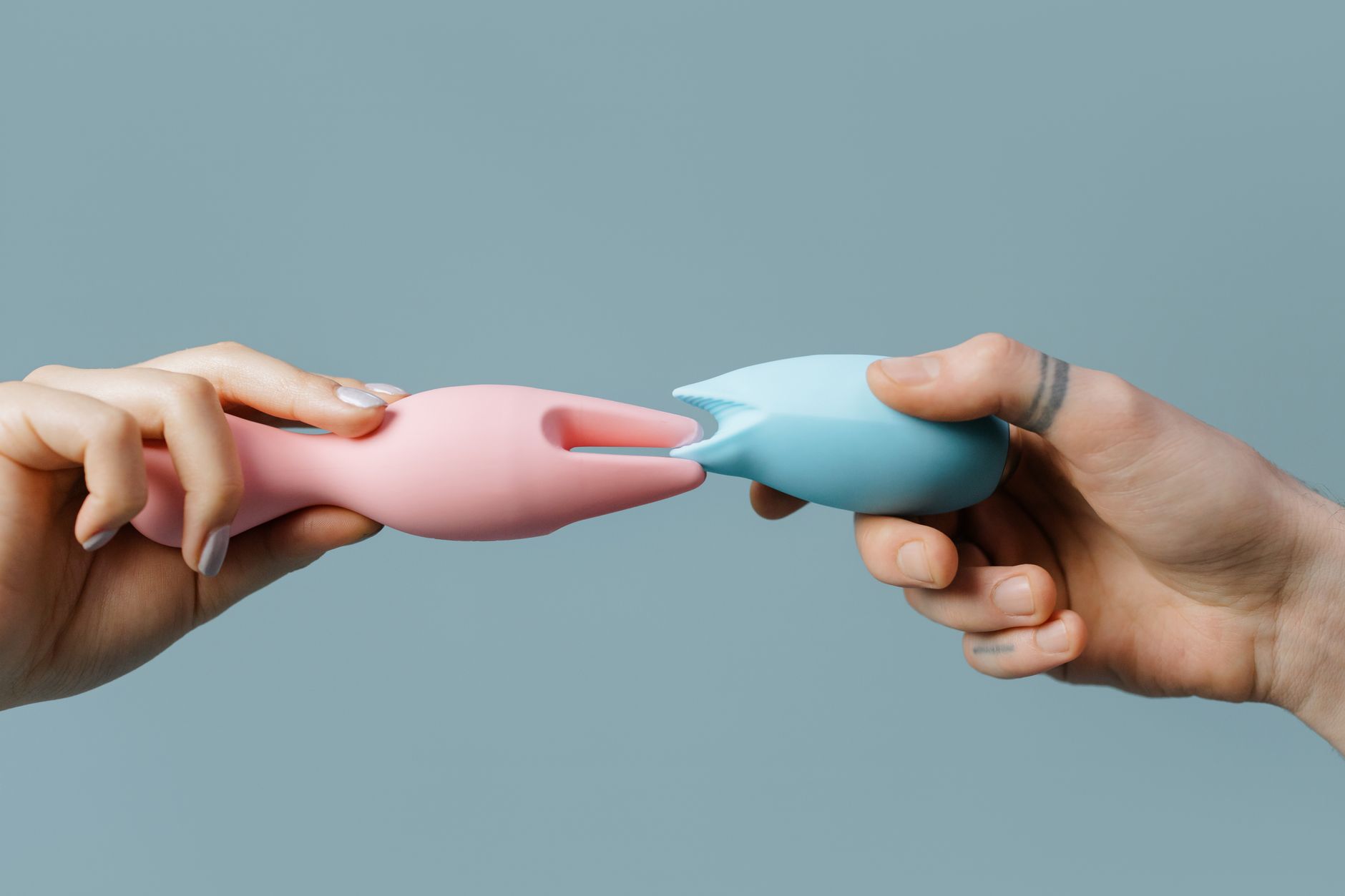
Lemon Vibrators use air-suction technology instead of traditional vibration. Here's why that matters for unreliable orgasms.
Traditional vibrators apply the same mechanical buzz at the same frequency, always. Your nerve endings acclimate quickly. After a few minutes, the sensation flattens. You're no longer feeling the pleasure building. You're just feeling stimulation.
Suction technology works differently. It creates gentle waves of pressure that feel more natural than vibration, and the sensation doesn't desensitize the same way. The Lem, Lemon Vibrator's flagship clitoral vibrator, offers multiple intensity levels and patterns. On a day when your body needs gentle awakening, you start at level one. On a day when you need rapid escalation, you jump to level three or four.
This flexibility alone transforms inconsistency. You're no longer forcing your body to conform to a static tool. You're adapting the tool to your body's daily needs.
Before you can fix inconsistency, you need information. Schedule three to five solo sessions specifically for mapping how your body responds, not for the goal of orgasm.
Start with minimal stimulation. If you're using a Lemon clitoral vibrator, begin at pattern one, lowest intensity. Spend two minutes noticing what you feel. Not whether it's working, but what the actual sensation is. Tingling? Warmth? Gentle pressure?
Then shift up one level and notice again. Spend five minutes at this level. What changes? Does the sensation intensify gradually or suddenly? Do you feel more engaged, or does it become numb?
Work through three to four levels over a 20-minute session. Don't target orgasm. Your job is just to collect data. Write down what you notice. The Lem vibrator's variety of patterns matters here because you're testing which rhythm resonates with your body on that particular day.
After three or four of these mapping sessions, patterns emerge. You'll notice which intensity level feels most alive. You'll see whether you prefer sustained pressure or pulsing patterns. You'll know how long your body typically needs to build arousal. This becomes your baseline.
Here's what derails most people: they hit the accelerator too fast and then blame their body for not responding.
Your clitoris needs a slow build. Even on responsive days, rushing the first five minutes nearly guarantees an unreliable outcome. I recommend a ten-minute warm-up before using a Lemon clitoral vibrator at full intensity.
Start with hands: touch your outer labia, your inner thighs, anywhere except direct clitoral contact. Let your body recognize arousal is coming. This primes your nervous system.
After five minutes, introduce the Lemon Vibrator at its gentlest setting. Hover just above or beside your clitoris rather than applying direct pressure. Let the sensation register without overwhelming.
At the eight-minute mark, move to direct contact at low intensity. Spend another five to eight minutes here, allowing waves of pleasure to layer. Then, if you want to escalate, move to your preferred higher intensity.
This pacing feels slow. It is. Slow is exactly why it works. Your nervous system needs time to build the activation required for reliable orgasm. Rushing guarantees the static returns.
Multiple orgasms are possible for almost everyone, but they require a different approach than chasing one big release.
After your first orgasm, your clitoris enters a refractory phase. It becomes sensitive to the point of discomfort. Most people stop here because continuing feels overwhelming.
But if you pause for 30 to 60 seconds and then resume at a much lower intensity than you used pre-orgasm, you can often ride into a second, third, or more.
The Lem vibrator's multi-level design shines here. You built that first orgasm using level three. After climax, drop down to level one. The reduced intensity means you're not bombarding sensitized tissue. You're gently reactivating the pleasure pathway. After two to three minutes at this lower level, arousal often begins rebuilding, and a second orgasm becomes possible.
Many people report that second and third orgasms are shorter but more intense than the first. Others find them gentler and more diffuse. Neither is wrong. The point is that your body now has options instead of a single, unreliable finish line.
Here's what most articles skip: your brain is part of your pleasure system, and it's possibly the most important part.
If you've spent years experiencing inconsistent orgasms, you've probably developed anticipatory anxiety. "Will it happen this time?" This question, asked unconsciously during sex, is a pleasure killer. Your nervous system interprets the doubt as a threat and clamps down.
Breaking this pattern requires permission to stop tracking outcomes. During your Lemon Vibrator sessions, set a timer for 20 minutes. For that entire period, your only job is to notice sensation. Not to achieve orgasm. Not to prove your body works. Just to feel.
If orgasm arrives, great. If it doesn't, you've still completed the task because the task was sensation, not completion. This reframe sounds small. It's transformative. Within a few weeks of this practice, inconsistency usually softens because your nervous system finally relaxes enough to respond naturally.
I'm not asking you to become a data scientist about your pleasure. But the three-minute notes matter.
After each session, jot down three things: the intensity level you preferred, the pattern (if using a Lemon clitoral vibrator with multiple modes), and roughly how long arousal took to build. Over four weeks, patterns appear. You'll notice that level two works better right after your period. That pattern three clicks for you on weekends when you're less stressed. That Tuesday mornings require 15 minutes of warm-up instead of ten.
This isn't obsessive tracking. It's the same thing an athlete does with training or a person with migraines does with triggers. You're simply learning your body's language.
Once you see the patterns, you stop fighting them. You stop showing up expecting consistency and instead work with natural variation. Paradoxically, this acceptance usually improves consistency because you're no longer battling biology.
If you've mapped your body carefully, paced your warm-ups properly, and used a Lemon clitoral vibrator intentionally for four weeks without any shift toward reliability, something else might be at play.
If you're on medication that affects arousal, talk to your prescriber. Certain antidepressants and blood pressure meds dampen sexual response. Alternatives sometimes exist.
If you're in a relationship and this inconsistency is creating friction, how you introduce your partner to a Lemon Vibrator might become important. Partners often interpret inconsistency as rejection. Clarity helps.
If trauma or shame surfaces when you explore pleasure, a sex-positive therapist can help untangle it. This is legitimate clinical work, not self-help.
Once you've accessed multiples, keeping them reliable requires consistency. I don't mean you need to practice constantly. I mean that when you do engage with pleasure, you use the same pacing and approach that unlocked them.
Many people find that once they've experienced a second orgasm using a Lemon Vibrator, their body remembers the pathway. Over time, the build becomes faster and more predictable. What took ten minutes on week one might take five minutes three months in.
The suction technology matters here because it doesn't contribute to the numbness that traditional vibrators sometimes create over time. You're not desensitizing yourself. You're training your nervous system to recognize and follow a pleasure pattern.
Your nervous system is detecting a threat, usually mental. Intrusive thoughts, self-consciousness about noise, or anxiety about the partner hearing you all trigger the same freeze response. The Lemon Vibrator itself isn't the fix here, but something about its design helps. Many people find the quieter operation reduces self-consciousness, which lets the nervous system relax. You might also try dimming the lights, using a white noise app, or setting a boundary that you'll focus purely on sensation for the next 15 minutes.
Multiple orgasms are physiologically possible for almost everyone, and the Lem vibrator's multi-level design genuinely helps because you can adjust intensity without stopping stimulation. That said, the vibrator is a tool, not the source. Your body does the actual work. The tool just makes it easier to listen to what your body needs in real time.
Track your cycle and your pleasure patterns for two months. Use a simple calendar and mark days when you felt very responsive versus flat. If a clear pattern emerges relative to your period, hormones are probably a major player. If the pattern is random across the month, look at stress, sleep, and medication timing instead.
Completely normal. Orgasms aren't a fixed sensation. They vary in intensity, duration, location, and emotional tone based on arousal level, your mental state, how much time you spent in warm-up, and a dozen other factors. The goal isn't identical orgasms. It's reliable access to pleasure, whatever form it takes.
Don't chase multiples as a goal. Build reliable singles first using the pacing framework above. Once you can consistently reach orgasm using a Lemon clitoral vibrator, multiples usually follow naturally. The Lem vibrator's pattern options help because after your first orgasm, you can shift to a different sensation that feels less overwhelming than the same intensity reapplied.
No. If anything, the opposite. Understanding what your body responds to through intentional exploration usually enhances solo pleasure and partnered pleasure alike. You know what intensity you prefer, what speed, what kind of touch. You can communicate this to a partner or integrate it into partnered sex more effectively.
Inconsistent orgasms aren't a body problem. They're usually a communication problem. Your clitoris is trying to tell you what it needs, and you've been asking it to respond to a script it never agreed to follow.
Using a Lemon Vibrator intentionally is one way to start listening instead of commanding. Flexibility in intensity and pattern means you can adjust to what your body actually wants in real time rather than what you thought it should want.
Multiple orgasms, reliable orgasms, better orgasms, different orgasms. All of it becomes possible once you stop fighting your body's natural variation and start working with it.