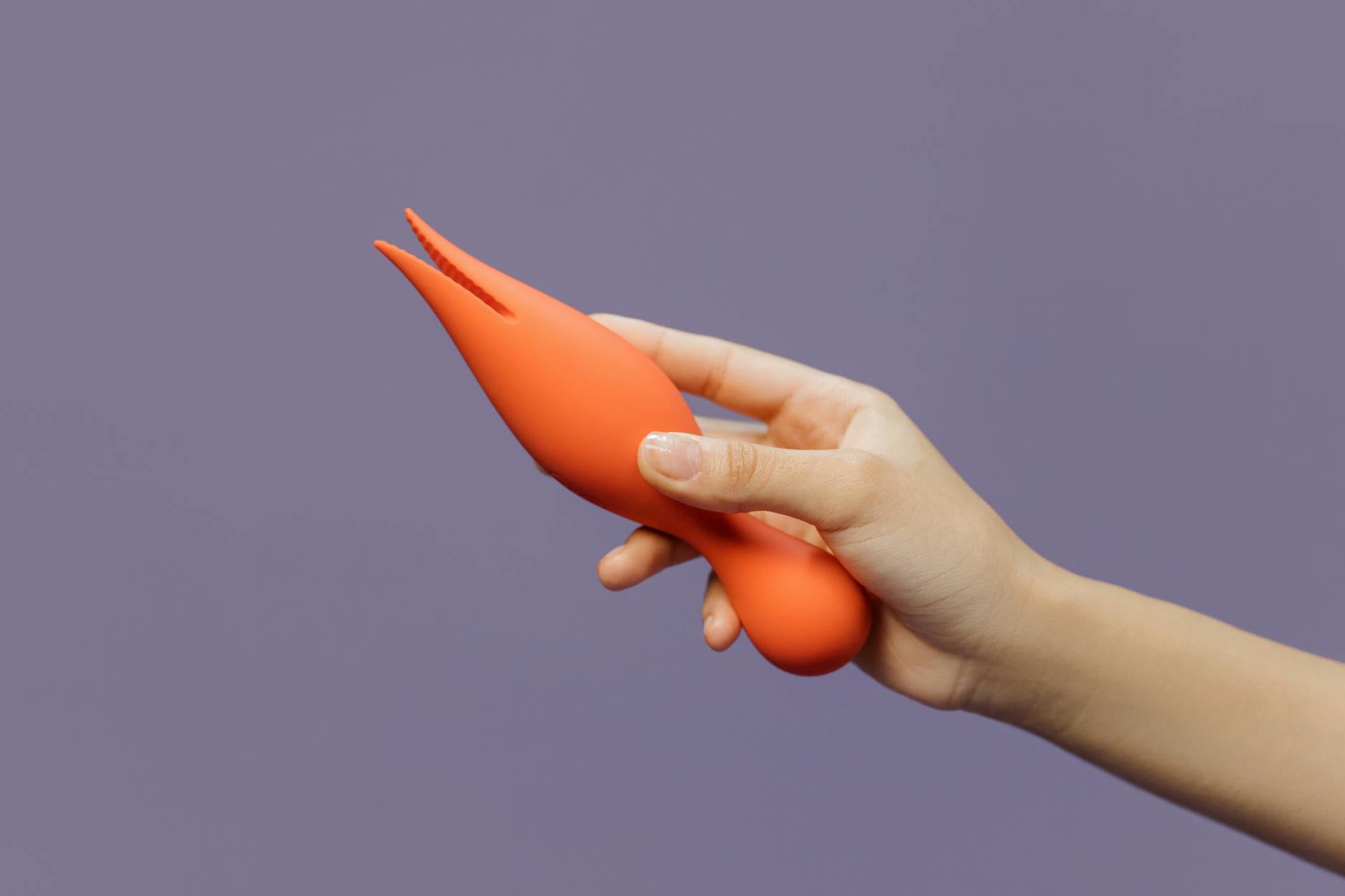
Let's be real about long-term desire
After five years, ten years, twenty years together, sex often becomes less about discovery and more about routine. You know each other's bodies. The novelty has worn off. And somewhere in that comfortable familiarity, the spark you once had gets filed away under "that was nice when we were younger."
Here's what I see in my practice: couples don't lose desire because they stop loving each other. They lose it because they've stopped being curious. And the moment you stop being curious about your partner's pleasure, you've started disconnecting from them in ways that affect everything else in the relationship.
Lemon vibrators, particularly suction-based clitoral toys like the Lem, can flip that dynamic entirely. Not because a toy fixes anything, but because introducing one forces you both into a conversation you've probably been avoiding. That conversation is the actual intimacy engine.
Why couples avoid talking about pleasure
Three reasons come up again and again in sessions.
First, shame. If you grew up with the message that sexual desire is something women (or their partners) endure rather than enjoy, bringing up pleasure feels like admitting you want something "wrong." Lemon vibrators get branded as extra or kinky, which activates that old shame. But suction stimulation isn't kinky. It's just different. And different is what you need right now.
Second, fear of rejection. After years together, suggesting a toy can feel like saying "what we've been doing isn't working." Your brain spins it as criticism. So you stay quiet. Meanwhile, your partner is doing the same thing in their own head.
Third, performance anxiety. Partners (especially those who were raised to believe their job is to provide pleasure) worry that introducing a toy means they're not enough. They're absolutely not thinking that consciously. But it's there, underneath. Lemon clitoral vibrators sidestep that entirely because they offer something human touch literally cannot. It's not about replacement. It's about expansion.
How to actually introduce it
Timing matters. Don't bring up toys during sex, and don't do it during a conflict about intimacy. Pick a normal moment—over tea, before bed, whenever you two actually talk. Here's the frame I recommend:
"I've been thinking about how we could explore pleasure together in a new way. Not because anything is wrong. Because I want more connection and more of those moments where we both feel really good. I found something I'd like to try with you."
That's it. You're naming the goal (connection and pleasure, not novelty for its own sake), you're centering their pleasure alongside yours, and you're being specific.
If they hesitate, don't push. Ask what they're worried about. Listen. Address the actual fear, not the stated objection. "I'm worried you won't want me anymore" needs a different response than "I'm worried it'll feel weird." Both are valid. Neither means no.
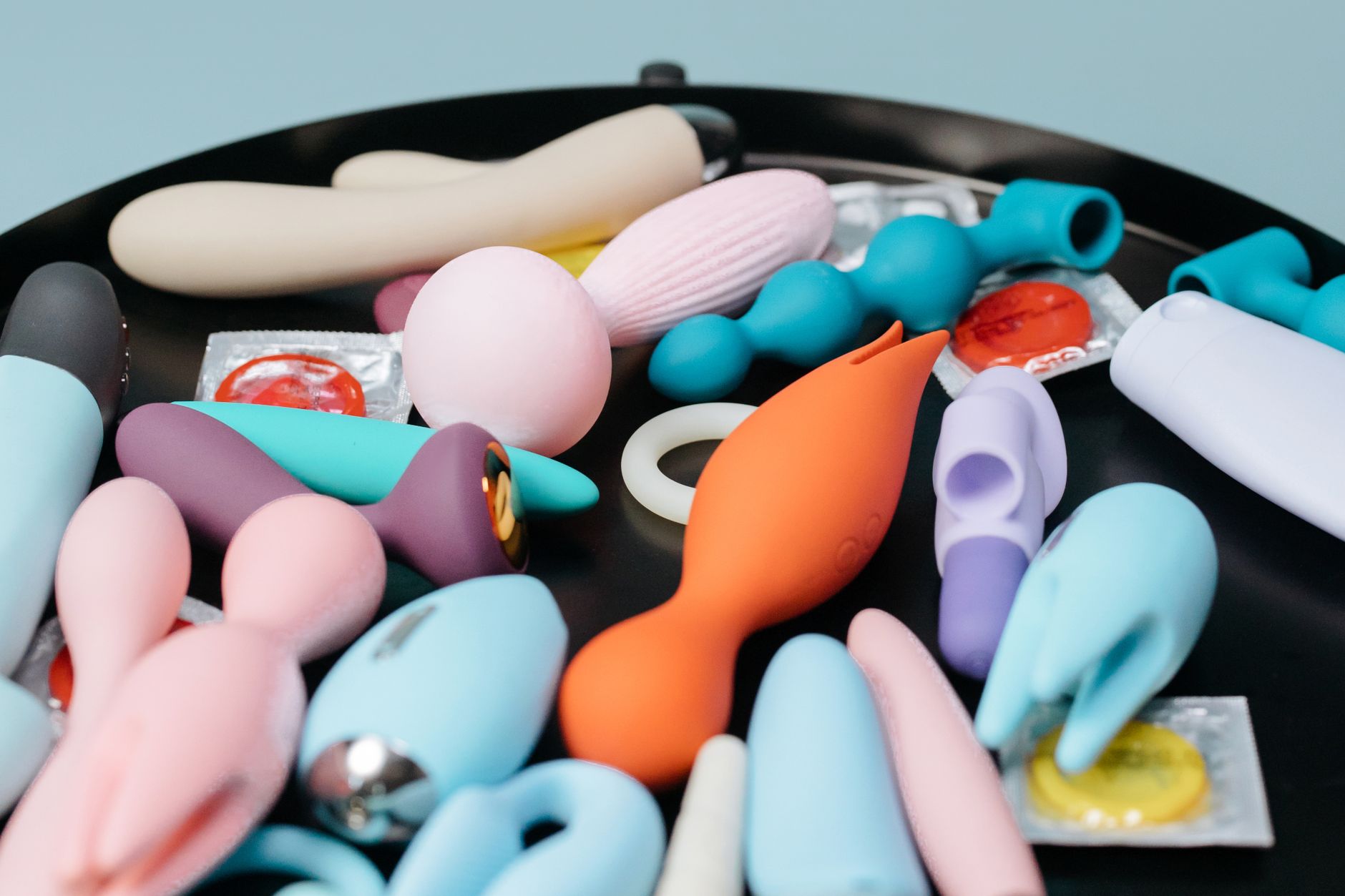
Photo by cottonbro studio on Pexels
Why lemon vibrators work better for couples
Suction-based lemon sexual toys have a few specific advantages for couples who've been together a long time.
They're less intimidating than traditional vibrators. A lemon clitoral vibrator doesn't buzz aggressively. The sensation is gentler, more diffuse. That matters for people who've had years of conditioning that pleasure should be subtle or quiet.
They change the sensation without changing the dynamic. When you introduce a lemon sucker toy, you're not adding something that feels clinical or separate. You're adding a sensation that enhances what you both can already do. Your hands still matter. Your mouth still matters. The toy just makes the experience richer.
**They're less focused on "performance." With penetrative sex, there's a built-in structure—arousal, activity, climax. With a lemon vibrator, particularly used together, you're both just... present. You're watching her face. She's watching yours. There's no script. That's where real intimacy lives.
They work even better after 40. If either partner is in midlife, tissue changes mean direct stimulation can feel too intense. How Lemon Vibrators Feel Different After Menopause covers this in detail, but the quick version is: suction offers the same nerve stimulation without mechanical pressure. For couples navigating hormonal shifts, that's invaluable.
The conversation during sex
Once you've both decided to try a lemon clitoral vibrator together, the next layer of communication happens in the moment. And that's where many couples freeze up.
During sex, especially with a new toy, check in. "How does this feel?" is enough. Listen to the answer. Adjust. Some people worry that stopping to talk kills the mood. Actually, the opposite is true. The moment of checking in is the moment of deepest attention.
If something doesn't feel good, say it. If it feels amazing, say that too. Your partner can't read your mind, no matter how long you've been together. The assumption that they should know what you want after years together is actually one of the biggest intimacy killers I see.
Many couples discover that the pleasure they get from using a lemon sucker toy together isn't even about the orgasm. It's about the conversation. It's about the fact that, for the first time in years, you're both talking about what feels good and why.
When to explore different positions or approaches
Once you're both comfortable with the toy, you can expand. Some couples find that using lemon vibrators with a partner during sex opens entirely new doors. Others prefer it as solo play that they're in the room for—present, but not penetrative.
There's no right way. The right way is the one where both of you feel genuinely good and genuinely wanted.
One thing I notice: couples who've been together a long time often rediscover desire in their partner's pleasure. You watch them experience something they've never felt before, and suddenly you're both awake again. That's not manipulation. That's just what happens when you step out of the routine and actually see each other.
What actually changes in the relationship
Let me be clear: a lemon vibrator doesn't fix a broken relationship. If you and your partner have bigger communication problems, deeper resentments, or fundamental incompatibility, a toy won't solve that. You need actual help for that. Couples counseling, not a vibrator.
But if you're in a good, stable relationship that's just gotten flat, introducing a suction toy combined with real conversation can absolutely reignite things. Here's what I see happen:
You start having actual conversations about pleasure. Those conversations make you both feel seen and heard. Feeling seen in your sexuality bleeds over into feeling seen in other parts of the relationship. You become curious about each other again. You want to know what your partner wants, what they're experiencing, what they're thinking about.
That curiosity is what intimacy actually is. The lemon clitoral vibrator was just the thing that got you there.
The long game
Intimacy in a long-term relationship isn't about staying in the honeymoon phase forever. It's about choosing to stay curious, stay vulnerable, and keep exploring each other—even after years.
Lemon vibrators, hello nancy's Lem among them, are just tools. But they're tools that force a conversation you probably need to have anyway. And that conversation, if you're both willing to have it honestly, is where the real connection lives.
Your partner's pleasure matters. Your pleasure matters. The fact that you want both of those things at the same time is the whole foundation. Everything else follows from there.
People also ask
How do I know if my partner will be offended by introducing a toy?
You ask them. Outside of the bedroom, in a low-stakes moment, with genuine curiosity. "I've been thinking about how we could explore pleasure together differently. Would you be open to trying something?" Their answer tells you everything. If they say no, that's information worth having. If they say yes but sound hesitant, ask what they're worried about. Most hesitation is fear-based, not rejection-based. Fear you can address.
Can using a lemon vibrator together actually improve our emotional connection?
Yes, if the conversation around it is genuine. Shared pleasure without shame builds trust. Trust builds intimacy. Intimacy builds everything else. But the toy itself isn't doing that work. You are.
My partner is worried a vibrator means I don't want them anymore. How do I reassure them?
By being really clear about what you actually want: more time together, more pleasure, more connection. "I want this with you" is different from "I want this instead of you." Show them through your attention and your desire for them, not just through words. Introduce the toy as something you want to explore together, not something you want to hide or do alone.
What if one of us orgasms and the other doesn't?
Then you're like most couples. Orgasm isn't the only goal. Pleasure, connection, and presence are. If one person comes first, you have options: keep going, switch positions, use the toy differently, or just stay close. The goal is time together, not synchronized climax.
Is it normal that using a lemon sucker toy together made us want to have sex more often?
Completely normal. You've reframed pleasure from something routine into something intentional. That novelty combined with real conversation makes people want to reconnect more. You've reminded yourselves why you wanted each other in the first place.
How do I bring this up if we've never talked about toys or pleasure directly?
Start small. "I read something interesting about lemon vibrators and how couples use them. Have you ever thought about trying something like that?" Sometimes starting with what you've read or learned gives the other person permission to be curious without it feeling like a sudden demand. Then listen more than you talk.
The way forward
Long-term relationships aren't about maintaining the spark from the beginning. They're about finding new sparks together. Lemon clitoral vibrators are just one doorway into that. The real work is the conversation. The real intimacy is choosing to stay curious about each other, even after all this time.
If you're ready to have that conversation, start here. Pick a moment. Ask. Listen. Then explore together. Your relationship is probably ready for it.