
When the pill that saves your mood steals your pleasure
Let's be real. Antidepressants are life-changing. They lift the fog, steadies the panic, rebuilds the future. And then somewhere around week three, you notice something else has shifted. The touch that used to spark something now feels like a tap on the shoulder. Arousal takes forty-five minutes instead of five. Orgasm still happens, but the volume is turned way down. You're not broken. Your brain chemistry just got recalibrated.
This is one of the most common side effects of SSRIs (selective serotonin reuptake inhibitors) and SNRIs (serotonin-norepinephrine reuptake inhibitors), and it's wildly under-discussed. Most people assume it's permanent. Most doctors assume you'll either adapt or choose a different medication. But there's a third path. Lemon clitoral vibrators—specifically the suction-based design—work through a different neural pathway than the one antidepressants affect. That's not theory. That's neurology. And it changes what's possible.
Why antidepressants numb sensation in the first place
Antidepressants work by increasing serotonin availability in your brain. That's the chemical that regulates mood, yes, but it also gates sexual response. Specifically, serotonin acts like a dimmer switch on the dopamine system—the network that drives desire and reward. Higher serotonin means dampened dopamine signaling. Less dopamine firing means slower arousal, delayed orgasm, reduced sensation intensity.
It gets worse when you add in the physical effects. Many SSRIs and SNRIs also reduce genital blood flow and lower levels of norepinephrine, which is crucial for physical arousal (the stuff that makes tissue swell and nerves fire). Your brain might want sex. Your body might not be getting the memo.
Here's the thing that most doctors don't mention: this isn't laziness or psychological resistance. It's a direct drug effect. And it's not usually reversible just by waiting or trying harder.
How lemon suction toys bypass the problem
This is where lemon vibrators—and specifically lemon clitoral suckers—become genuinely useful. The mechanism is different.
Traditional vibration stimulates primarily through mechanical frequency. It wakes up nerve endings through repetition and intensity. Problem: if serotonin is already dampening your dopamine response, you're already starting from a lower baseline. You need either more intensity or more time to reach threshold.
Lemon suction toys work differently. Instead of vibration alone, they create a seal around the clitoris and use gentle air-pulse suction to stimulate the entire clitoral complex. This isn't just surface nerves—it's pulling blood into the tissue and creating pressure changes that activate deeper neural pathways. Studies on air-pulse technology show activation in regions of the brain associated with reward and pleasure that vibration alone doesn't always reach.
More simply: lemon clitoral vibrators create a different kind of stimulus. When one pathway is dampened by antidepressants, another pathway can still fire.
What actually changes when you switch tools
You're probably expecting me to say you'll suddenly have fireworks again. Honest version: no. But you will notice real shifts.
Arousal builds faster. Women on SSRIs who switch to lemon suction toys often report that sensation registers in ten to fifteen minutes instead of thirty or forty. Not because their brain chemistry changed—the medication is still there. But because the stimulus itself is more efficient at reaching the neural centers that still work.
Orgasm becomes tangible again. For many people on antidepressants, orgasm starts to feel like a theoretical destination you can't quite reach. Lemon clitoral vibrators make it accessible. The suction creates enough stimulus intensity that even with dampened dopamine, pleasure crosses the threshold into something real.
Sensation actually feels different. This is subtle but consistent. Vibration can feel like buzzing. Suction feels more like a pulling, a pressure change, almost an ache in the best way. It's a different flavor of sensation entirely. When one flavor is muted, trying another one sometimes wakes things up.
Stamina improves. Because lemon vibrators work faster, you get there before fatigue kicks in. That matters more than you think. When you're on antidepressants and already depleted from dampened arousal, the psychological weight of "this is taking forever" becomes a barrier. Cutting that down helps.
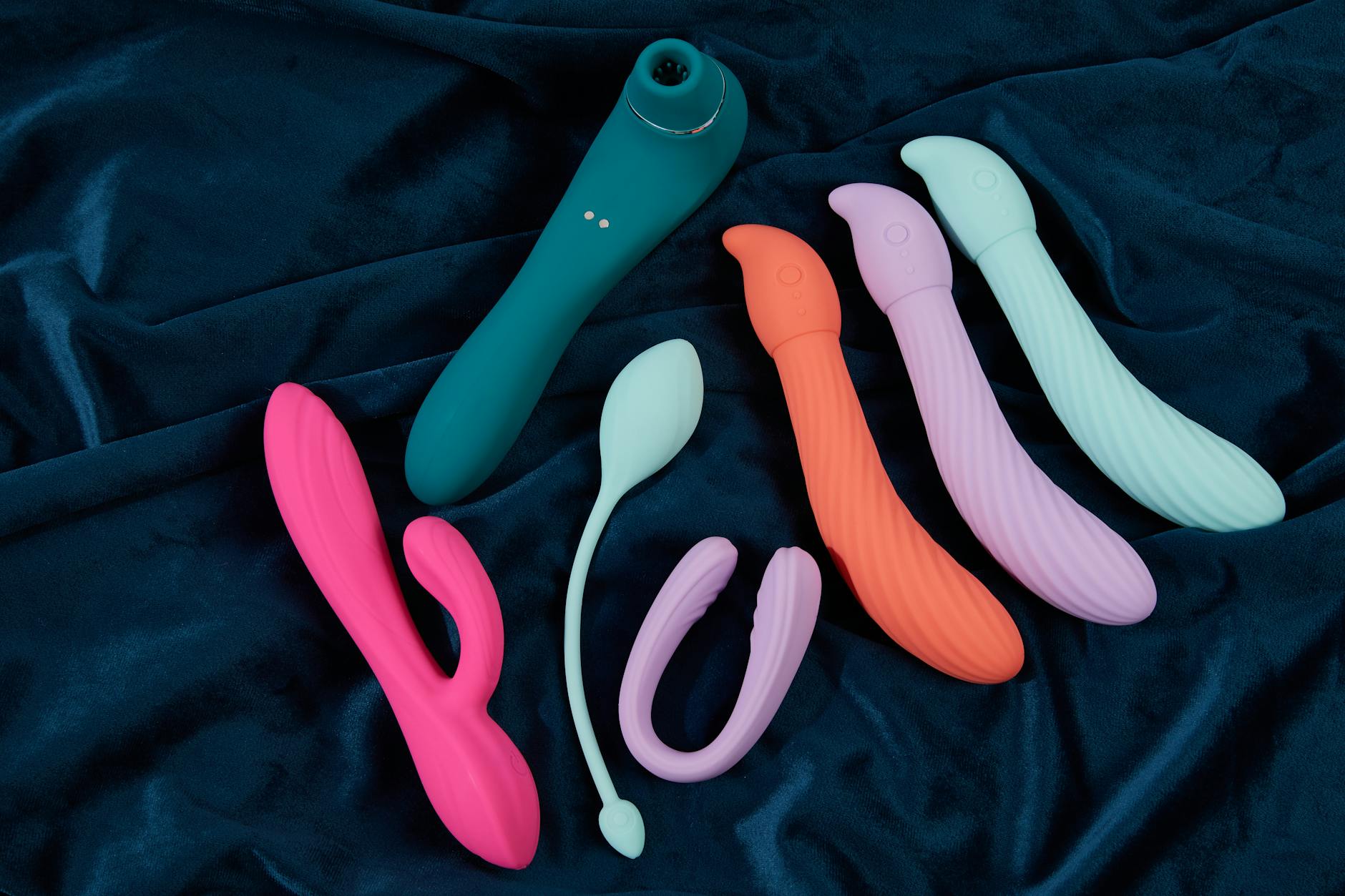
Photo by IFONNX Toys on Pexels
The practical setup that actually works
If you're considering trying a lemon vibrator while on antidepressants, here's what I tell my clients, based on what works:
Start with a lower intensity setting. The Lem and other Hello Nancy clitoral vibrators have pattern options. Don't assume you need maximum suction strength. Begin on the gentler patterns and let sensation build naturally. Antidepressants already make arousal slower—rushing it defeats the purpose.
Budget more time for foreplay. I know this is obvious, but it matters. Thirty to forty minutes of partnered touch or solo exploration before using the vibrator. Let your nervous system know it's in a pleasure context. The antidepressant is still going to slow things down, but psychological readiness helps.
Use water-based lube. Antidepressants can also reduce natural lubrication. A good water-based lubricant isn't cheating—it's basic hygiene. It reduces friction and makes the suction sensation clearer.
Track what works by pattern, not by duration. Some lemon vibrator patterns feel better on antidepressants than others. The gentler pulsing patterns often work better than rapid ones. Keep mental notes on which ones your body responds to. Pleasure isn't random—it follows neural patterns.
Consider combination approaches. If you're with a partner, lemon clitoral vibrators work best when they're part of the interaction, not a replacement. Partner touch plus vibrator plus time equals a much higher success rate than vibrator alone.
When to talk to your doctor (and what to say)
Here's the conversation most people avoid, and why it matters. Your doctor should know that sexual numbness is affecting your quality of life. Not because you're hoping to change medications—sometimes you shouldn't. But because there are options they might not mention.
First: dose adjustment. Sometimes a slightly lower dose of the same medication reduces sexual side effects without losing mood benefits. You might not need to come off the medication at all.
Second: timing. Some people take their antidepressant at night instead of morning, so peak levels occur during sleep rather than during waking hours. This can reduce daytime sexual dampening.
Third: augmentation. Certain supplements and medications can partially reverse sexual side effects without interfering with mood stability. Your psychiatrist or GP can discuss options like buspirone or bupropion, which sometimes help.
And fourth: tools. Tell them you're considering using lemon clitoral vibrators or other devices. A good doctor won't discourage this. It's not medication-replacement—it's a tool to help your body respond to the pleasure signals your medication is dampening. That's a totally legitimate conversation.
The patience part that nobody wants to hear
Here's what I've learned working with couples navigating this: recovery of sensation on antidepressants isn't instant. It takes weeks of consistent exploration. Your nervous system got recalibrated. Lemon vibrators help you activate pleasure despite the recalibration, but they don't undo it.
Some people find that after using lemon suction toys regularly over a few months, their baseline sensation improves overall. The antidepressant is still there, but the brain seems to learn that pleasure is possible. Others plateau and maintain the improvement with continued use. Both are wins.
The worst outcome is abandoning the medication because the sexual side effects feel intolerable. Depression comes back. Everything gets worse. That's not a solution. But using tools like lemon clitoral vibrators to work around the side effect while keeping the medication? That's solving the actual problem.
If you're starting antidepressants soon
If you know you're going to be on an SSRI or SNRI, this information isn't a crystal ball saying you'll definitely experience numbness. About 40-60% of people on SSRIs report sexual side effects. The rest don't. You might not. But if you do, you'll know it's not permanent and it's not unfixable.
Having a lemon vibrator on hand before starting medication, or acquiring one as soon as you notice changes, means you're not starting from scratch when you need to problem-solve. You're prepared.
People also ask
Will using a lemon vibrator interfere with my antidepressant?
No. Lemon clitoral vibrators are physical tools. They don't interact with medication chemically. They just provide a different kind of stimulus that your brain can still process even when serotonin levels are elevated. If anything, pleasure and arousal can support mood stability, so using these tools might indirectly help your overall mental health.
Is the numbness permanent when you're on SSRIs?
Not always. Some people adapt over time as their body adjusts to the medication. Others find that the effect plateaus. And some find that working with tools like lemon vibrators helps reclaim sensation despite the medication staying in place. The numbness itself isn't permanent—you can have sexual pleasure while medicated. It just might require different approaches.
Can I switch antidepressants to fix sexual side effects?
Maybe. Some antidepressants have lower sexual side effects than others. Bupropion, for example, often has fewer sexual complications than SSRIs. But switching medications isn't always the right answer because a different medication might not work as well for your specific depression or anxiety. This is a conversation for your doctor. Sometimes the better move is keeping the medication that works and using tools to manage the side effect.
How long does it take to feel a difference with a lemon vibrator?
Most people notice something within the first few uses. Arousal might build slightly faster. Sensation might feel different. But full recovery of sensation usually takes weeks of consistent exploration. Your nervous system isn't going to completely reprogram in one session. Think of it as training your body to remember what pleasure feels like, which takes repetition.
Does antidepressant sexual numbness happen to everyone?
No. About 40-60% of people on SSRIs and SNRIs experience sexual side effects. The rest don't notice much change. And severity varies widely. Some people lose sensation temporarily. Others adapt. It's not universal, but it's common enough that you should know what to do if it happens to you.
Can I combine lemon vibrators with other approaches to restore arousal?
Absolutely. Therapy, partnered intimacy, stress management, sleep, exercise—all of these support sexual function alongside medication. Lemon clitoral vibrators are one tool in a larger toolkit. If you're also working with a therapist on anxiety or relationship dynamics, or managing stress, you're giving yourself the best chance of reclaiming pleasure.
What comes next
Antidepressants give you your life back. Sometimes they also change how pleasure feels. That's not a reason to stop taking them. It's a reason to get smarter about how you approach arousal while medicated. Lemon vibrators, specifically the suction-based designs, activate pleasure through a different neural pathway than the one antidepressants suppress. That's not magic. It's neurology.
If you're struggling with sexual numbness on antidepressants, start by talking to your doctor. Then consider exploring tools like lemon clitoral vibrators—whether solo or with a partner. Your mental health matters. Your pleasure matters too. Both can coexist.
Have questions about how to approach this conversation with a partner, or want to talk through your specific situation? Reach out to Hello Nancy. We're here to help you navigate medication, pleasure, and everything in between.