Let's talk about the orgasm mismatch that nobody discusses
Here's the thing. You orgasm in eight minutes. Your partner needs twenty. Neither of you is broken. But the timing gap creates this awkward dynamic where someone's always either rushing or waiting, and both feel like failures. The relationship literature calls this "asynchronous response." I call it one of the most fixable problems in long-term sex.
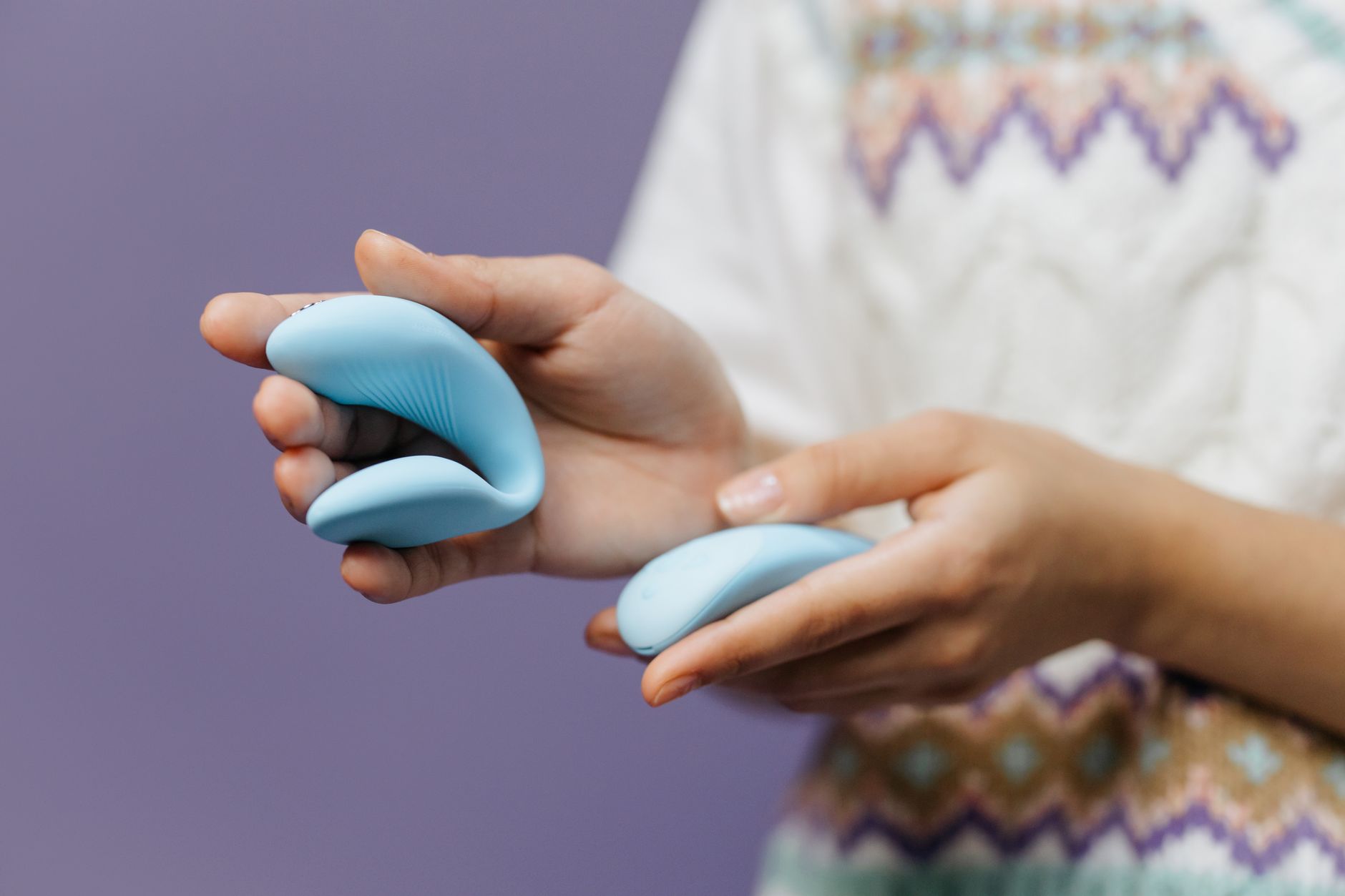
Lemon vibrators, specifically clitoral vibrators like the lemon sucker models, solve this in a way that feels natural because they put control back in your hands—literally.
Why the timing gap happens in the first place
Orgasm latency varies wildly across bodies and circumstances. For people with vulvas, the average is about 20-25 minutes with a partner—which already frustrates anyone who finishes in five. For people with penises, the average is 5-10 minutes from penetration. That's not a small gap. That's a structural incompatibility in how two bodies respond.
Adding stress to the mix makes it worse. If you're worried you're taking too long, you won't reach orgasm at all. If your partner's worried they're coming too fast, they'll either go numb trying not to, or they'll exit the experience entirely to let you "have your turn." Now nobody's having fun.
Mismatched timing isn't a flaw in your chemistry. It's a scheduling problem. And scheduling problems have tools.
The permission shift that lemon vibrators create
When you introduce a lemon clitoral vibrator during partnered sex, something shifts psychologically. You're no longer relying on your partner's timing to reach orgasm. You're not waiting for them to get you there. And they're not responsible for your pleasure arc anymore.
This sounds like it should make sex more separate, but it does the opposite. Because now both people can actually relax.
Your partner doesn't have to perform longer than their body naturally allows. You don't have to fake satisfaction or wait around while they recover. You both get to actually orgasm—which is the whole point.
How to introduce this without it feeling clinical
The conversation matters here. Don't present it as "we need to fix our timing." Instead, try: "I want to explore something that might feel good for both of us." Framing it as an addition rather than a correction takes the pressure off immediately.
Start the conversation outside the bedroom. Show your partner a lemon vibrator if you want. Explain that you're curious to try it together, not because anything's wrong, but because you want to experience something new. Most partners respond better to curiosity than to problem-solving language.
When you actually use it, don't overthink the mechanics. Add it once you're already aroused. Some people use it during penetration. Others use it before or after. There's no "right" sequence. The right sequence is whatever feels good to both of you.
Three specific scenarios that work
Scenario one: You finish first. Use the lemon clitoral vibrator on yourself while your partner continues. You get sustained pleasure instead of a sharp drop-off after orgasm. They get to keep going without guilt. Win-win.
Scenario two: They finish first. After they orgasm, they can use the vibrator on you while you're still aroused. This keeps the energy in the room instead of flattening it. They stay engaged. You don't lose momentum.
Scenario three: You want simultaneous orgasm. Start with vibrator stimulation while your partner enters. This shortens your timeline significantly—most people with vulvas reach orgasm faster with lemon sucker-style clitoral vibrators than with penetration alone. You're more likely to sync up.
What to expect the first time
Your first experience with a lemon vibrator during partnered sex might feel slightly awkward. That's normal. You're introducing a new object and a new dynamic. Give it three or four tries before deciding if it works for you.
Common surprises: the vibrator might feel more intense than you expected. Sensations can shift when someone else is in the room. You might find that your arousal builds faster or differently. You might notice your partner responds differently too—sometimes watching a partner use a vibrator creates its own turn-on. Let these surprises be data, not judgment.
If the vibrator intensity is too much, start on a lower setting. If you feel self-conscious, ask your partner to stay present and engaged rather than watching like it's a performance. Eye contact, touch, kissing—all of that can happen simultaneously. The vibrator is a tool, not a replacement for connection.
The ripple effect on other parts of your sex life
Once you've solved the timing problem, something else often shifts. People report feeling more comfortable asking for what they want. They're less focused on performance and more focused on sensation. The pressure lifts, and sex becomes actually enjoyable again.
You might discover that you want to use the vibrator sometimes when your partner isn't there. That's not a sign that partnered sex is failing. That's you learning what your body responds to. Partners who understand this tend to feel less threatened by solo exploration because they understand it's about pleasure, not rejection.
When to ask for professional support
If timing is the only issue, a lemon vibrator solves it. If the timing gap is a symptom of a larger desire mismatch—one partner wants sex once a month and the other wants it five times a week—then you're dealing with incompatibility, not mechanics. That's worth talking through with a couples therapist.
If one person feels resentful about the difference, or if there's a pattern where one person's always sacrificing their pleasure, that's also a relationship conversation, not a vibrator conversation. Tools help. They don't fix broken communication.
But if it's truly just a biological mismatch in how fast your bodies respond, lemon vibrators—especially clitoral vibrators with their direct, focused stimulation—are one of the most effective solutions available. You're not reimagining your sex life. You're just giving both people permission to finish.
FAQ
Will using a vibrator during sex make my partner feel inadequate?
Not if you frame it right. Your partner's penis or fingers or whatever they're using isn't being replaced. The vibrator is handling one specific thing—clitoral stimulation at a certain intensity—while they handle everything else. Most partners feel relieved when the timing pressure lifts. They can stop performing and start experiencing. That usually feels better for everyone.
What's the best lemon vibrator for couples sex?
For partnered use, you want something with a comfortable grip and a shape that doesn't interfere with penetration. Many people find clitoral vibrators like the Lemon Vibrator work well because they're compact and designed for direct stimulation. Start with whatever feels intuitive, and adjust from there based on what works for your body.
How do I bring this up without making my partner think I'm unhappy?
Use curiosity language, not problem language. "I want to try something that might feel good" is different from "we need to fix our timing problem." Keep it about exploration, not correction. Most people respond well when they understand it's about adding pleasure, not fixing failure.
Can we use a lemon vibrator if we're not comfortable with other toys?
Absolutely. Start with one toy in one context. You don't have to overhaul your entire approach. Many couples use a vibrator during one specific scenario and never introduce anything else. There's no rule saying you have to try multiple things.
Does using a vibrator during sex mean we're not compatible?
No. Biological differences in arousal timelines are incredibly common. They're not a sign of incompatibility. They're a sign that you need different tools to reach the same outcome. Most long-term couples figure this out eventually. You're just doing it more intentionally.
What if the vibrator becomes a crutch and my partner stops trying?
That's a conversation, not a vibrator problem. If your partner uses the introduction of a toy as an excuse to stop engaging, that's about effort and care, not about the tool itself. Address the behavior directly: "I want us both engaged and present, and I've noticed we're not." The vibrator didn't cause disconnection. It just revealed it.
The real win here
Orgasms that feel rushed aren't orgasms at all. They're performance anxiety with a body attached. <a href="/en/blog/how-lemon-vibrators-improve-sensation-when-your-partner-finishes-too-quickly">Mismatched timing doesn't have to mean compromise</a>. It means you get to use the right tool for the job. Lemon clitoral vibrators exist precisely for this reason. They're not romantic substitutes. They're practical solutions that happen to feel incredible.