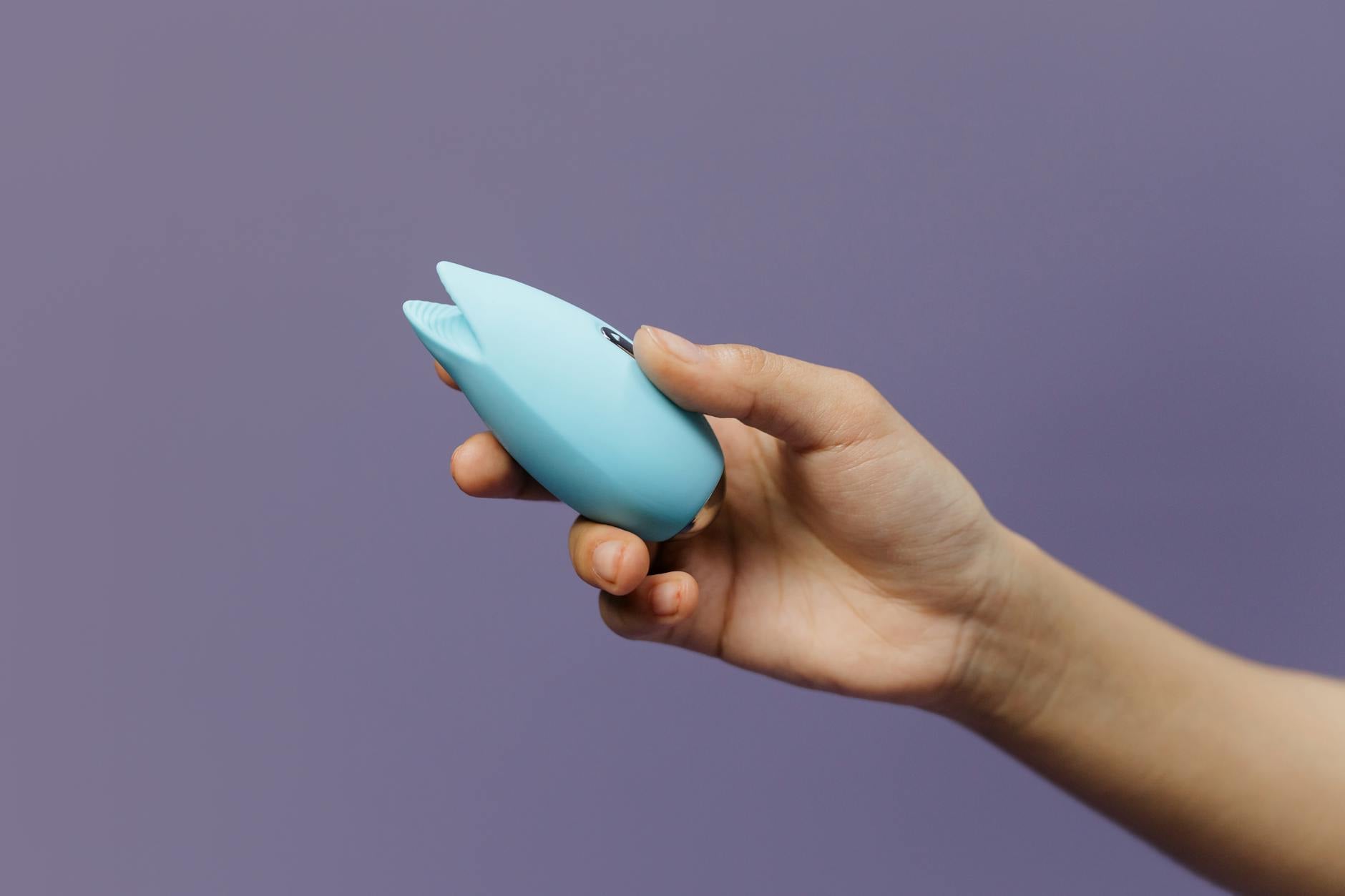
Here's what nobody tells you about clitoral numbness
Your clitoris hasn't gone anywhere. It's still there, still wired with thousands of nerve endings, still capable of pleasure. But somewhere along the way, the signal got lost in translation. You touch it, you use a vibrator, and it feels like tapping glass. Nothing. Dead air. And the longer it stays numb, the more your brain starts to believe the problem is permanent.
It isn't. I've worked with hundreds of people who thought their clitoris had retired early, and almost every single one of them got sensation back. The catch? They needed to understand what caused the shutdown in the first place, and then use a tool specifically designed to bypass the numbness rather than fight it.
What actually causes clitoral numbness
Clitoral numbness has about five major culprits, and you might be dealing with more than one.
Desensitization from repetitive pressure. If you've been using the same vibration pattern, intensity, or toy for years, your nerves adapt. This is called habituation. Your brain stops registering the signal because it's too familiar. It's not that the sensation is gone. It's that your nervous system learned to ignore it.
Nerve compression or irritation. The pudendal nerve, which supplies most of the sensation to the clitoris, can get compressed by tension in the pelvic floor, tight hip muscles, or even prolonged sitting. When that nerve is pinched, sensation goes quiet.
Hormonal changes. Drop in estrogen, thyroid shifts, or changes in testosterone all affect nerve sensitivity and blood flow to the clitoris. Your clitoris actually needs adequate blood flow to feel anything. Without it, numbness follows.
Medication side effects. Antidepressants, blood pressure meds, antihistamines, and even some birth control methods reduce clitoral sensation as a side effect. It's not in your head. It's pharmacology.
Emotional distance or dissociation. Stress, relationship tension, trauma history, or just checking out mentally during sex can create a felt numbness even when the nerve pathways are fine. Your body goes quiet because your brain told it to.
The good news is that numbness caused by any of these factors responds to the right approach. And that's where lemon clitoral vibrators enter the picture in a way that traditional vibrators often can't.
Why standard vibrators often fail with numbness
Most vibrators rely on direct oscillation. They buzz or vibrate directly against tissue, expecting that vibration alone will wake things up. If your clitoris is already numb, more direct pressure is usually just more nothing. You're still trying to force a signal through a system that's either habituated, compressed, or blocked.
That's the design flaw. Direct vibration also teaches your nervous system to adapt faster. Use the same Vibe at the same setting long enough, and you're accelerating the habituation cycle rather than breaking it.
Lemon clitoral vibrators use a completely different mechanism. They use suction. Instead of buzzing against the surface, they create a gentle seal and pulse around the clitoral area, stimulating the internal nerve structures and drawing blood flow to the region. It feels different because it is different. Your nervous system hasn't learned to tune it out yet because it's not the same stimulus pattern your body adapted to.
That difference matters enormously when you're trying to restore sensation.
How suction wakes up a numb clitoris
Think of suction as a gentle invitation rather than a demand. When you use a lem vibrator, the pulsing suction increases blood flow to the clitoris, which is step one in restoring sensation. Without adequate blood flow, nerves can't fire. With it, they can.
Second, suction stimulates different nerve endings than direct vibration does. Your clitoris has thousands of nerve fibers, and they respond to different types of touch. Direct pressure activates one set. Suction and gentle pulse activate others. By switching to a different stimulus type, you're essentially training your nervous system to pay attention again.
Third, and this matters psychologically, suction feels intimate in a way that straight vibration often doesn't. Many people who've gone numb describe a sense of disconnection, of their body feeling foreign. Suction creates a different sensation pattern, which can help your brain re-engage with the experience instead of staying checked out.
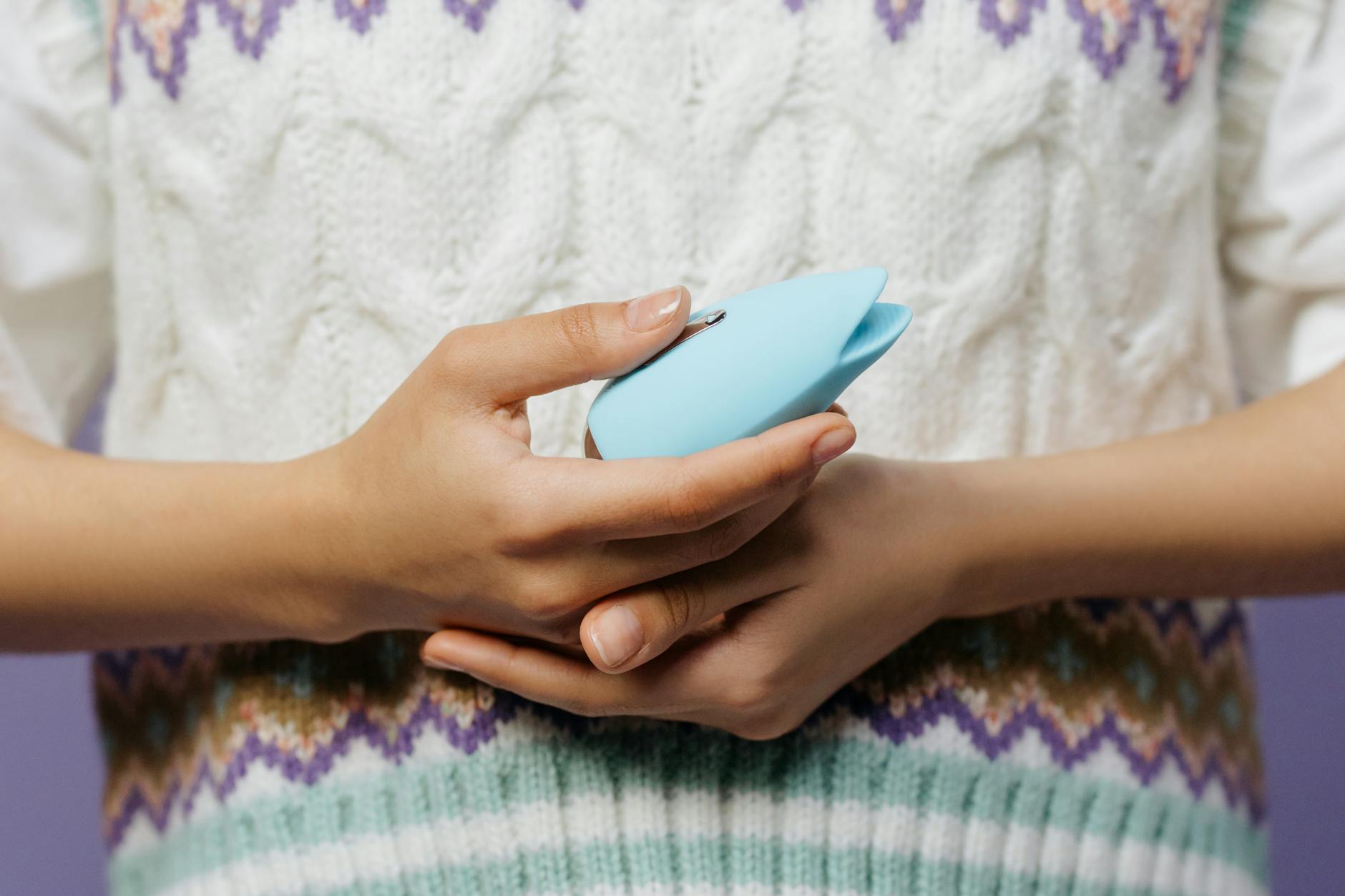
Photo by cottonbro studio on Pexels
The protocol that actually restores sensation
If you're starting from a place of numbness, going straight to the highest intensity on any toy is a recipe for disappointment. Your nervous system needs time to remember how to feel.
Start with the lowest suction setting on a lemon vibrator. Not because you're broken, but because you're retraining your nervous system. Spend five to ten minutes at that setting once or twice a day. Don't expect fireworks. You're looking for the tiniest change. A slight tingle. A warmth. Anything that feels like information.
After three to five days at the lowest setting, move to setting two. Again, five to ten minutes daily. You're not rushing this. You're rebuilding. This might take two to three weeks to cycle through all the intensity levels, and that's completely normal.
The reason this works is that you're avoiding habituation by progressing slowly, and you're using a stimulus your nervous system hasn't learned to ignore. Combine those two things, and sensation almost always comes back.
If numbness stems from pelvic floor tension, add fifteen minutes of pelvic floor relaxation before you use the vibrator. That means slow breathing, consciously releasing tension, maybe some gentle stretching. If the pudendal nerve is compressed, that tension is part of the problem. Release the tension, then stimulate.
When sensation returns, here's what to do
Once your clitoris starts waking up again, the temptation is to immediately jump back to your old patterns and intensity levels. Don't. You'll re-habituate almost instantly.
Instead, continue rotating between different intensity levels on the lemon vibrator. Vary the pattern. Take breaks. Use it on different days rather than daily. The goal is to keep your nervous system engaged and learning rather than adapted and asleep.
Many people who restore sensation for the first time in years describe it as almost overwhelming. Your clitoris feels hyper-sensitive. That passes in a few days as your brain recalibrates. You're not broken. You're waking up.
If sensation was tied to a medication, talk with your doctor about timing or alternatives. If it was stress-related or emotional, addressing that underlying issue while you're retraining sensation will speed recovery significantly. Tools help, but context matters too.
The timeline you should expect
Most people see some return of sensation within one to two weeks of consistent use. Full sensation typically returns within four to eight weeks, depending on how long the numbness lasted and what caused it.
If numbness has been there for years, it might take longer. Your nervous system adapted slowly, and it will wake up slowly. Consistency matters more than intensity.
If you've tried this approach and sensation still isn't returning after eight weeks, see a pelvic health physical therapist or your GP. Numbness that doesn't respond to retraining sometimes indicates a nerve issue that needs professional assessment. That's not failure. That's useful information.
FAQ: Clitoral numbness and lemon vibrators
Can clitoral numbness be permanent?
Almost never. Clitoral numbness is almost always reversible. The clitoris has incredible neuroplasticity. Even people who've been numb for years typically regain sensation once they address the underlying cause and use appropriate stimulation. The key is patience and the right tool.
Why does my clitoris feel numb even when I'm aroused?
Arousal and sensation are different things. You can be mentally aroused and still have no physical sensation if the nerve pathways are blocked, compressed, or habituated. This is actually super common and one of the most frustrating experiences. Using a lemon vibrator can separate those experiences, allowing physical sensation to build alongside arousal.
Is clitoral numbness a sign that something is permanently wrong?
No. Numbness is a sign that something is temporarily disrupting the signal. That could be tension, adaptation, hormonal change, or emotional shutdown. All of these are reversible. Your clitoris itself is almost certainly fine.
How long should I wait between using a lemon vibrator if I'm trying to restore sensation?
If you're in the retraining phase, once or twice daily is fine. Keep sessions short (five to ten minutes). The important thing is consistency, not frequency. If you're past the retraining phase and sensation is returning, pulling back to every other day or even a few times a week helps prevent re-habituation.
Can I use a lemon vibrator if I have numbness from diabetes neuropathy?
Yes, though you should start even more gently than you would with other types of numbness. Diabetic neuropathy is a different mechanism, and sensation restoration takes longer. Talk with your doctor first, then start at the absolute lowest setting on a lemon clitoral vibrator and progress even more slowly than the standard protocol.
What if numbness is in only part of my clitoris?
Partial numbness usually points to localized nerve compression or tension. That same retraining protocol works, but you might also benefit from pelvic floor physical therapy to address any compression. The suction from a lemon vibrator can help restore sensation in the numb area while you address the underlying cause.
What comes next
Clitoral numbness is one of those problems that feels hopeless until you understand what's actually happening. Your clitoris isn't broken. Your nervous system just learned to stop paying attention. And once you know that, the fix becomes clear.
Start low, progress slowly, be consistent, and give your nervous system time to remember. If you want to explore this further or feel stuck, get in touch. There's almost always a path forward.
Sources & further reading:
Bach, K., et al. (2019). "Pudendal nerve compression syndrome." Current Reviews in Musculoskeletal Medicine, 12(4), 475-481.
Compier, P., et al. (2020). "Effects of low-intensity vibration therapy on sexual function and satisfaction in women." Journal of Sexual Medicine, 17(6), 1102-1110.
Graham, C. A., et al. (2017). "Neurophysiology of female sexual function." Handbook of Sexual Dysfunction. Springer Publishing.
Nasserzadeh, S., & Ceccarelli, I. (2021). "Medications that may affect sexual function and satisfaction." Sexual Medicine Reviews, 9(2), 245-259.