Let's talk about the real libido killer
It's not age. It's not hormones, usually. It's the person you share a bed with and the distance that's somehow gotten wider while you're both lying inches apart. Relationship stress doesn't just make you tired or irritable. It systematically demolishes arousal. Your brain literally can't shift into pleasure mode when it's processing conflict, resentment, or disconnection.
Here's what I see in my practice all the time. A couple comes in saying one partner "just doesn't want sex anymore." When we dig into the actual timeline, the desire didn't disappear randomly. It flatlined after an argument they never fully resolved, or after months of feeling unseen, or after sex became another thing they were failing at together. The libido didn't break. The trust broke first.
Why stress shuts down arousal so fast
Your nervous system has two modes: sympathetic (fight or flight) and parasympathetic (rest and digest). Sex lives in parasympathetic mode. Relationship tension lives in sympathetic. You can't operate in both simultaneously, which means the second you feel emotionally unsafe or emotionally far from your partner, your body pulls the emergency brake on arousal.
This isn't weakness or disinterest. This is your body protecting you from the vulnerability of sex when intimacy already feels threatened.
The problem is that low desire becomes its own relationship crisis. One person feels rejected. The other feels pressured and guilty. Sex becomes something you're both failing at, which deepens the very disconnection that killed desire in the first place. You're stuck in a loop.
Why lemon vibrators work differently when relationship stress is the problem
Here's the thing about stress and arousal. When desire is gone because of disconnection, trying to rebuild it through partnered sex feels impossible. The vulnerability is too high. The stakes feel too loaded. Sex becomes a test of whether the relationship is fixable.
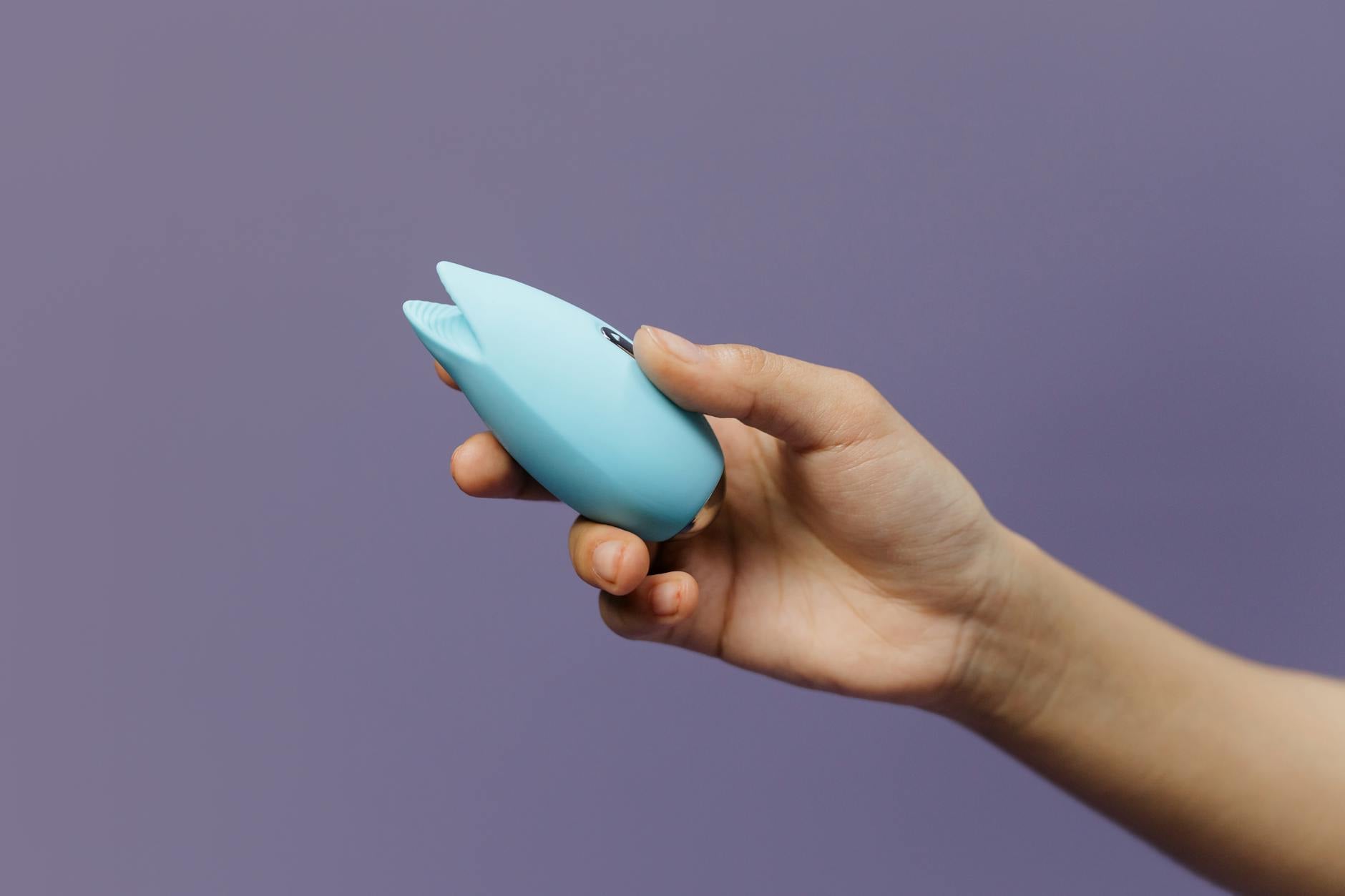
Lemon clitoral vibrators, and suction toys in particular, do something different. They let you access pleasure independently. No performance. No pressure to connect with someone when you're not sure you trust them yet. No worry about whether you're responding "right" or fast enough.
When you use a lemon vibrator alone during a tense period, you're doing something quietly radical. You're telling your nervous system: I can feel good. My body still works. I still deserve pleasure, even though this relationship is hard right now. That shift in your own body's story changes everything.
Many of my clients report that the first time they had an orgasm with a lemon adult toy after months of stress and avoidance, something in their nervous system finally relaxed. The shame lifted. And once shame lifts, you can think clearly about what comes next.
The three ways solo use rebuilds partnered desire
1. You remember your own arousal pattern. When stress has flattened your libido, you've probably forgotten what turns you on or how long good things take. Solo exploration with lemon sexual toys reconnects you to your body's actual responses. You learn the pressure you like, the rhythm that works, how your arousal builds. That knowledge is yours to keep, and it's your baseline for every sexual conversation going forward.
2. Your nervous system learns safety again. Every orgasm is a nervous system reset. It signals to your body that pleasure is possible, that you are safe enough for pleasure. Repeated experiences of that safety rewire you. You become slightly less contracted. Slightly more open. And that shift happens independent of whether the relationship is fixed yet.
3. You gain clarity about what you actually want. Stress makes everything feel urgent and confused. The moment you're alone with a lemon clitoral vibrator and your own arousal, the noise quiets. You can actually feel whether you miss your partner, or whether you're scared, or whether you need to leave. Most people can't access that clarity when they're in constant relationship panic mode.
How to actually use this when things are tense
Start small. You don't need a long session or a special ritual. Ten minutes alone with a lemon vibrator, once or twice a week, is enough to shift your nervous system. The goal isn't performance or intensity. The goal is feeling your own pleasure.
Pick a time when your partner isn't home or knows you need privacy. Use something reliable. A lot of my clients find that suction toys like lemon vibrators are less intimidating than traditional vibrators when they're nervous. The sensation is more diffuse, less like mechanical pressure, more like something meeting you partway.
Don't use it as a strategy to "fix" desire so you can have sex with your partner sooner. That turns solo pleasure into another relationship task. Use it because you deserve it. The relationship repair work is separate.
The conversation after you've reconnected to yourself
Once you've spent a few weeks reconnecting to your own arousal, you might feel ready to tell your partner what you've learned. Not as a confession. As information. "I realized I'd stopped touching myself when things got hard between us. I've started again. It's helped me remember what I like." That's it. That's sometimes enough to crack the whole dynamic open.
For some couples, that honesty is the beginning of reconnection. For others, it's a clear signal that you need actual couples therapy, not just better sex. Both are valid outcomes. But at least you'll know what you're actually working with.
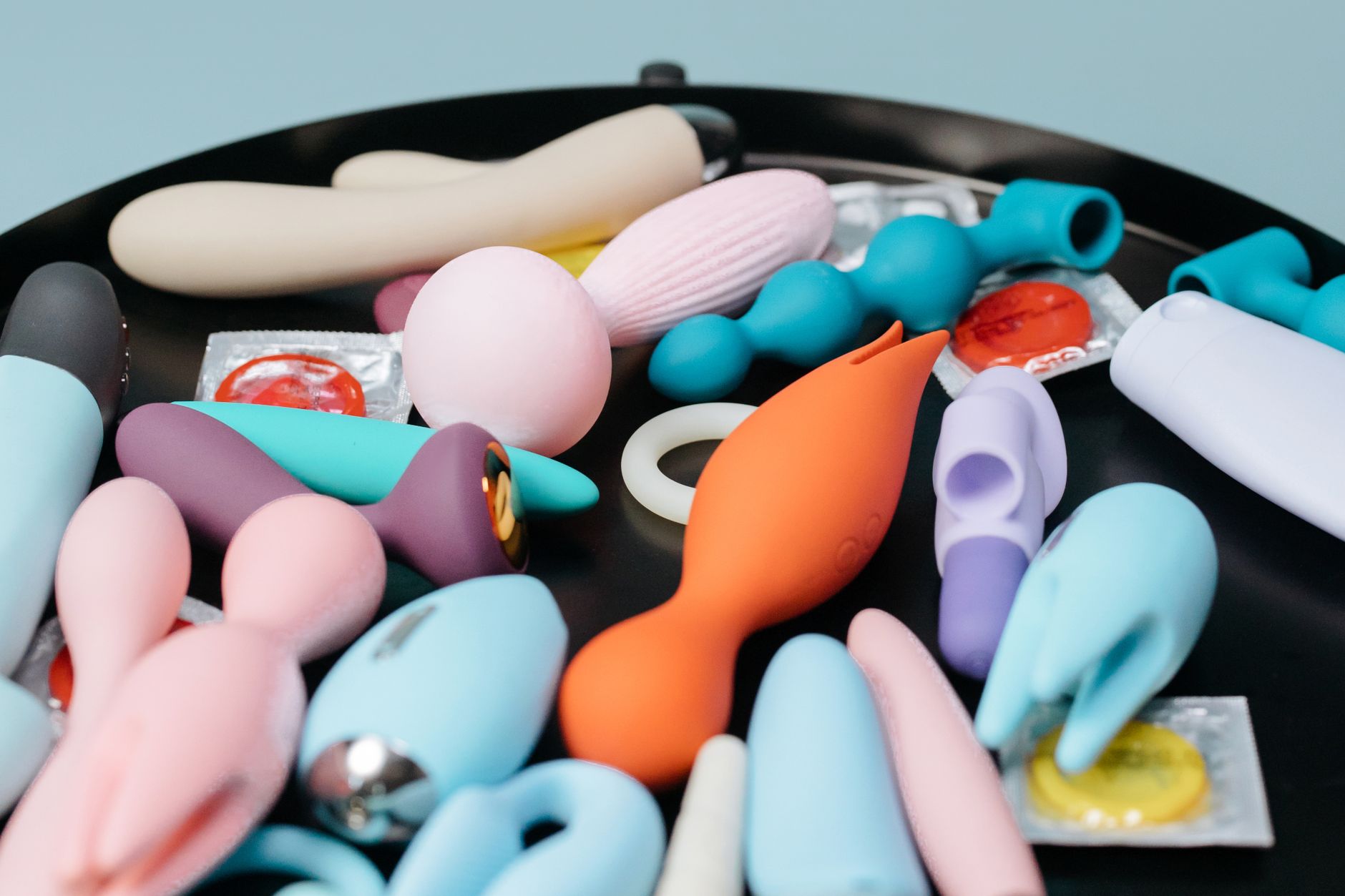
Photo by cottonbro studio on Pexels
When to pause and actually address the relationship
If you're using lemon vibrators as a way to avoid the real problem, you'll know eventually. Solo pleasure helps when the relationship is stressed but salvageable. It helps when you both want to reconnect but don't know how. It does not help if one partner is actively being cruel, or if you're staying in something broken out of guilt.
If you find yourself thinking "I feel better alone than with this person," that's information. It doesn't mean the relationship is over, but it does mean you need a therapist, not more toys. Low libido from relationship stress is your body's way of saying something needs to change. Don't outsmart that message.
Why this matters more than you think
Desire is a marker of how you feel about yourself and your relationship. When it's gone, you feel broken. When it comes back, you feel like yourself. There's no small thing about that. Using lemon clitoral vibrators to rebuild arousal when relationship tension is high isn't escapism. It's self-respect. It's insisting that your pleasure matters even while everything else is uncertain.
Start there. Let yourself feel good. Everything else will make more sense.
People also ask
Can using lemon vibrators alone make relationship problems worse?
Not if you're honest about it. The problem isn't solo pleasure. The problem is using it to avoid addressing real disconnection. If you use lemon sexual toys as a pressure release but never talk to your partner about why you need it, resentment builds. Transparency helps. "I need some time alone to reconnect with my body" is a conversation worth having.
How long does it take for libido to come back after relationship stress?
It depends on whether you're rebuilding arousal or rebuilding trust. Arousal can shift in weeks once you start solo exploration. Trust takes longer. With a lemon vibrator and regular solo time, many people notice a shift in their own pleasure response within 3-4 weeks. Partnered desire often follows after that, but only if the relationship issue is actually being addressed.
Should I tell my partner I'm using a lemon clitoral vibrator during a rough patch?
That depends on your relationship agreement and your gut. Some couples benefit from total honesty. Others have boundaries around solo pleasure that have nothing to do with trust. The key question is: would secrecy deepen the disconnection? If yes, find a way to tell them. If you're just protecting your own privacy, you don't owe a play-by-play. But if your partner would feel hurt discovering it secretly, honesty now prevents bigger problems later.
Can lemon vibrators help if the real problem is mismatched desire?
Yes, but differently. If one partner wants sex way more than the other, lemon adult toys give the lower-desire person a tool to explore pleasure on their own timeline. That takes pressure off partnered sex. But mismatched desire usually needs more than toys. It needs a conversation about why the mismatch exists and whether both people can live with it.
What if using a vibrator makes me feel more distant from my partner?
That's important information. Sometimes solo pleasure feels separating if you're already feeling disconnected. If that's the case, using a lemon vibrator might not be the first step. Couples therapy or an honest conversation might come first. You're trying to rebuild arousal, not add another source of guilt or distance.
Is it normal to lose all desire when a relationship is strained?
Completely. Desire isn't a constant. It responds to how safe and seen you feel. Stress, conflict, and emotional distance all suppress arousal. This is normal neurobiology, not a personal failing. The fact that you want desire to come back is a good sign. It means you haven't given up on the relationship or yourself yet.