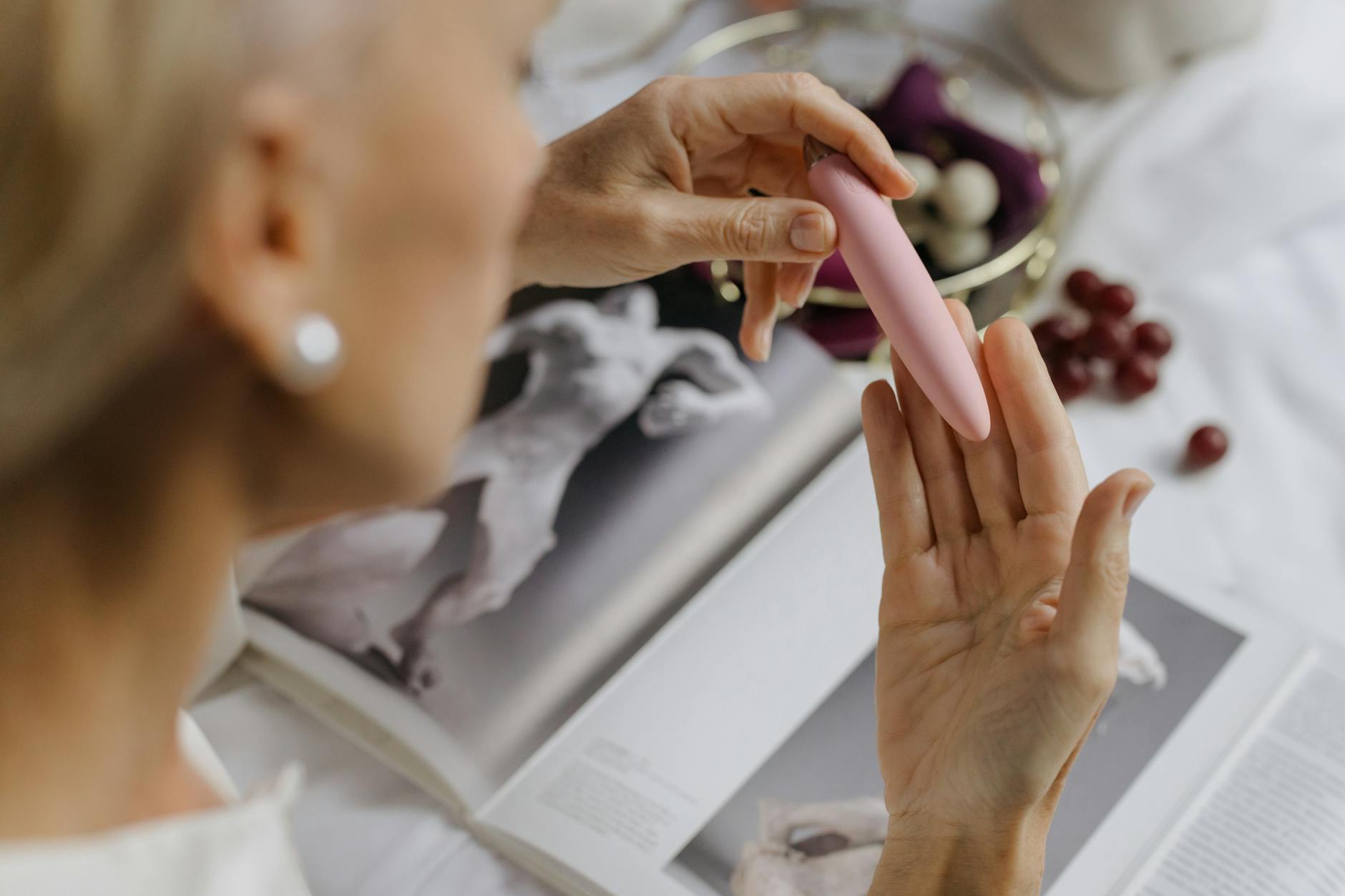
How Lemon Vibrators Restore Sensation After Menopause With Thin Vulvar Tissue
Estrogen drops. Tissue thins. Sensation changes, but doesn't disappear. Here's why suction-based lemon vibrators often work better than vibration when everything feels different.
Menopause doesn't kill pleasure. But it does change the hardware. Estrogen is the engine keeping vulvar tissue thick, elastic, and well-fed with blood flow. When it drops, tissue thins. The clitoris itself doesn't shrink, but the surrounding tissue gets more delicate. That's the physics. The experience, though? That's where it gets interesting.
Many people assume thinner tissue means weaker sensation. The opposite is often true. With less cushioning, nerve endings sit closer to the surface. The trick is reaching those nerves without the mechanical friction that can feel intense or even uncomfortable on delicate tissue. That's where lemon clitoral vibrators with suction technology change everything.
Traditional vibrators buzz at your nerves. They're designed for tissue that can handle sustained, direct friction. When tissue thins, that same friction can feel like too much, too raw, or weirdly numb all at once. You're not broken. Your body is just asking for a different approach.
Suction-based lemon vibrators work by gently drawing the clitoris into a soft seal, then pulsing. Instead of friction-based stimulation, you're getting rhythmic pressure and release. It's gentler on thin tissue while often being more effective at triggering nerve response. Think of it like the difference between rubbing your skin and tapping it. Both create sensation, but they activate different pathways.
The other thing vibration misses: lemon adult toys with suction create a kind of consistent, building intensity that doesn't depend on surface friction. For post-menopausal bodies, that consistency is huge. You're not chasing sensation across shifting tissue. You're letting the device do the work.
Estrogen does three things that matter for sensation. It keeps tissue thick enough to provide natural cushioning. It drives blood flow to the vulva, which means responsiveness and lubrication. And it supports the nerve endings themselves. Fewer nerve endings doesn't mean zero response. But it does mean they need a smarter approach to activate.
Lemon sexual toys designed with suction give you direct, predictable stimulation without relying on tissue thickness or natural lubrication. You're essentially removing the variable of "will my body cooperate today" and replacing it with "does this feel good to me right now." That shift alone changes everything about post-menopausal pleasure.
Hormone replacement therapy can restore some of that responsiveness, but many people don't use HRT, or it takes months to kick in. Lemon clitoral vibrators bridge that gap. They work with your body as it is now, not as you remember it.
When vulvar tissue is thick, vibration has to travel through that cushioning to reach nerves. When it's thin, nerves are closer to the surface. Theoretically, thinner should mean more sensitive. In practice, the opposite often feels true because direct vibration on thin tissue can feel sharp or uncomfortable instead of pleasurable.
Suction bypasses that problem. Instead of vibration traveling through tissue, you're creating a gentle vacuum that draws tissue into a soft chamber. That chamber pulses. Your body doesn't have to transmit the sensation through layers of cushioning. It's more direct, which is why so many post-menopausal people find lemon vibrators deliver sensation that traditional vibrators missed entirely.
This is also why intensity matters more than you'd think. Many people assume they need to turn the intensity up after menopause because they feel less. Usually the opposite works better. Start at pattern 1 or 2 on a lemon sucker and work up. Your nerves aren't dead. They're just asking for a different kind of touch.
Estrogen also controls vaginal and vulvar lubrication. Less estrogen means less natural wet. This affects sensation in two ways. First, friction without lubrication feels uncomfortable, full stop. Second, without that slick layer, stimulation that used to feel amazing can feel raw. It's not weakness. It's physics.
Water-based lubricant becomes not just nice but essential. Luckily, adding lube transforms the experience completely. A good water-based product restores that slickness, which makes any stimulation (including lemon clitoral vibrators) feel more integrated with your body, less isolated. Use it generously. Your tissue will thank you.
The other bonus of lube with suction-based lemon adult toys? It helps the seal form better and makes the sensation feel smoother, less clinical. You're recreating some of the natural environment that estrogen used to provide.
Here's the thing nobody tells you: sensation often comes back and deepens. That thinning of tissue isn't permanent in the way you think. With consistent use, blood flow returns. Nerves remain responsive even with less estrogen. And many people find that their most intense orgasms happen post-menopause, especially once they stop bracing against discomfort and actually let themselves explore.
Lemon vibrators accelerate that process because they don't require the same conditions that traditional vibrators do. You don't need thick tissue or abundant natural lubrication to have an incredible experience. You need the right tool and honesty about what feels good now.
Start with lower intensities. Give yourself longer warm-up time than you did before (15-25 minutes instead of 5-10). Use water-based lubricant every time. Notice what patterns feel good on what days. Your sensitivity will shift slightly with your cycle, even post-menopause, and with stress and sleep. That's normal. Tools like lemon sexual toys give you the flexibility to adjust on the fly.
Most of the sensation loss people report after menopause isn't actually physiological. It's psychological. The worry that something's broken, the assumption that pleasure is supposed to feel like it did at 30, the subtle checking-out that happens when you're not sure what to expect. Those are bigger obstacles than tissue thickness.
Lemon clitoral vibrators help because they're designed for this specific moment in your body's life. Using one is almost permission to accept that this chapter is different, not worse. Different. You're not trying to recreate sex at 25. You're discovering what sex feels like at 55 or 60 or 65 with better technology, more information, and less social pressure. That's a massive win.
If pleasure disappears entirely, or if there's actual pain (not just "different feeling" but discomfort), that's worth mentioning to a menopause-informed gynecologist. Genitourinary syndrome of menopause is real and highly treatable with topical estrogen creams that have minimal systemic absorption. A few weeks of treatment often restores enough responsiveness that everything else clicks back into place.
If you're using lemon adult toys consistently and sensation still isn't returning after a few months, consider asking about low-dose testosterone therapy. It's prescribed conservatively in many places, but it genuinely helps some people. A good provider will listen to your specific experience instead of giving you a one-size-fits-all answer.
Post-menopausal pleasure isn't a diminished version of what came before. It's different. Often better. You have fewer hormones cycling, fewer fertility concerns, and (if you want it) more permission to prioritize your own sensation instead of performing. That creates space for something deeper.
Lemon clitoral vibrators are part of that toolbox. They work with your body's current reality instead of against it. They don't require you to have the body you had in your 30s. They work beautifully on the body you have now. That's not a compromise. That's respect for where you actually are.
No, not at reasonable intensities. The suction is gentle. The seal is soft silicone. You're not being suctioned hard. Think of it more as a gentle rhythmic pulse. That said, start at lower intensities and work up. Your body will tell you what feels good. If something causes pain (not just novelty discomfort), stop and try a different pattern or intensity. Pain is information, not weakness.
It varies. Some people feel immediate differences. Others notice gradual improvement over weeks or months. Consistent use matters more than intensity. Using lemon vibrators a few times a week, you'll often notice shifts in your baseline sensitivity within 4-6 weeks. But this isn't about chasing a specific timeline. It's about reconnecting with your own pleasure on your own schedule.
After menopause with thinner tissue, yes. Your body might not produce enough natural lubrication to feel comfortable. Water-based lube restores that. It also helps the silicone seal feel smoother and more integrated. Use it generously. There's no downside except cost, and it's cheap compared to anything else in your life.
Yes, but usually better. With less cushioning around the clitoris, suction-based stimulation often feels more direct and effective. You're not fighting through tissue to reach nerves. The sensation can actually be more intense, more focused. Many post-menopausal people find they reach orgasm faster and with less effort using lemon suction toys than they ever did with traditional vibrators.
Yes. If you start HRT, tissue will gradually thicken. Lubrication will return. Sensation will shift again. You might find that the lemon vibrator settings you loved at first feel different a few months in. That's not a problem. It just means you get to explore the full range again. Your body is evolving, and your pleasure can evolve with it.
Both are valid. Solo use lets you explore without any pressure to perform or accommodate someone else's timing. With a partner, lemon adult toys can ease anxiety about whether your body will cooperate, which paradoxically makes it more likely to. Whatever removes pressure and invites presence will feel better. Pick that option.
Menopause changes sensation. Lemon vibrators with suction technology work with that change instead of against it. They don't require thick tissue, abundant natural lubrication, or a body that responds the way it used to. They ask for nothing except honesty about what feels good right now. That's the whole deal. Everything else is permission.