How Lemon Vibrators Ease You Back Into Pleasure After Emotional Distance With Partner
When emotional disconnection kills desire, solo exploration can rewire your pleasure response and rebuild trust in your body before you're ready to reconnect.
Your body doesn't separate sex from safety the way your brain pretends it does. When emotional connection fractures in a relationship, desire doesn't vanish because you suddenly find your partner unattractive. It evaporates because your nervous system has learned that vulnerability in that space isn't safe. You can't will yourself aroused when your body is running a quiet protect-yourself program.
The problem? Couples who try to "fix it" by jumping straight back into sex often fail because they're asking their bodies to do something their nervous systems have actively learned not to do. What actually works is a deliberate middle step: solo reconnection with pleasure on your own terms, without the pressure or vulnerability of a partner watching.
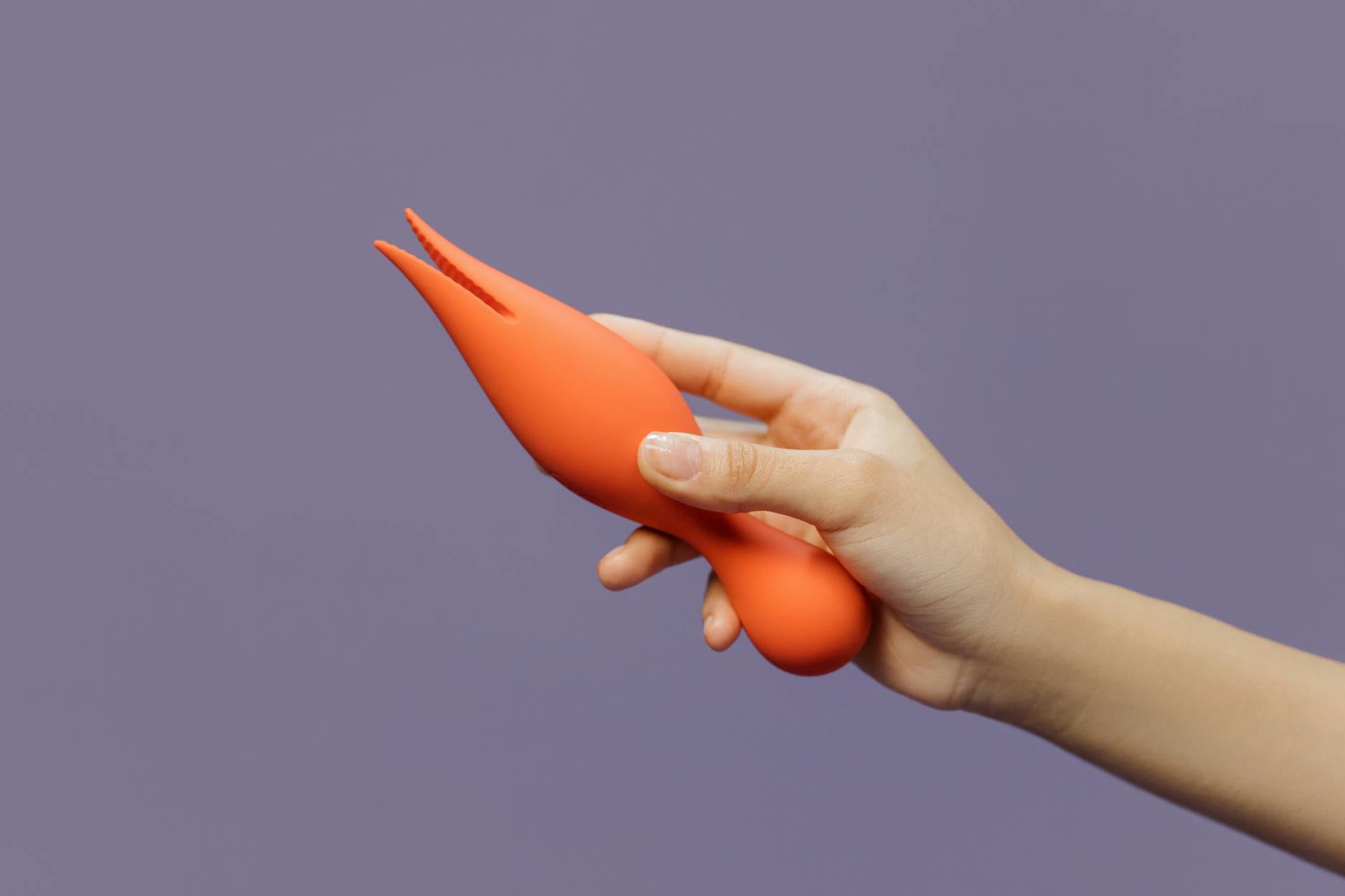
This is where a lemon clitoral vibrator changes the game. Not as a replacement for partnership, but as a bridge back to yourself.
There's a difference between libido and arousal. Low libido is a desire issue. Loss of arousal during emotional distance is a safety issue. Your vagina and clitoris are exquisitely sensitive to your emotional state. When you're hurt, guarded, or angry with your partner, your parasympathetic nervous system (the one that runs sex, digestion, and rest) basically goes offline.
You can intellectually want to reconnect. Your body can refuse to cooperate anyway.
Adding pressure to perform sexually when trust is rebuilding usually creates the opposite of connection. It triggers shame ("Why can't I just enjoy this?"), resentment ("I'm supposed to want this but I don't"), and more avoidance. The gap widens. This is the pattern I see repeatedly in couples therapy: one person initiates, the other's body says no, both feel rejected, and neither understands why.
The solution isn't forcing couple's sex sooner. It's rekindling your own pleasure response in private first.
When you're alone, there's no one to perform for. There's no eye contact to avoid, no body to accommodate, no unspoken expectation hanging over the moment. Your only job is to notice what feels good to your own body right now.
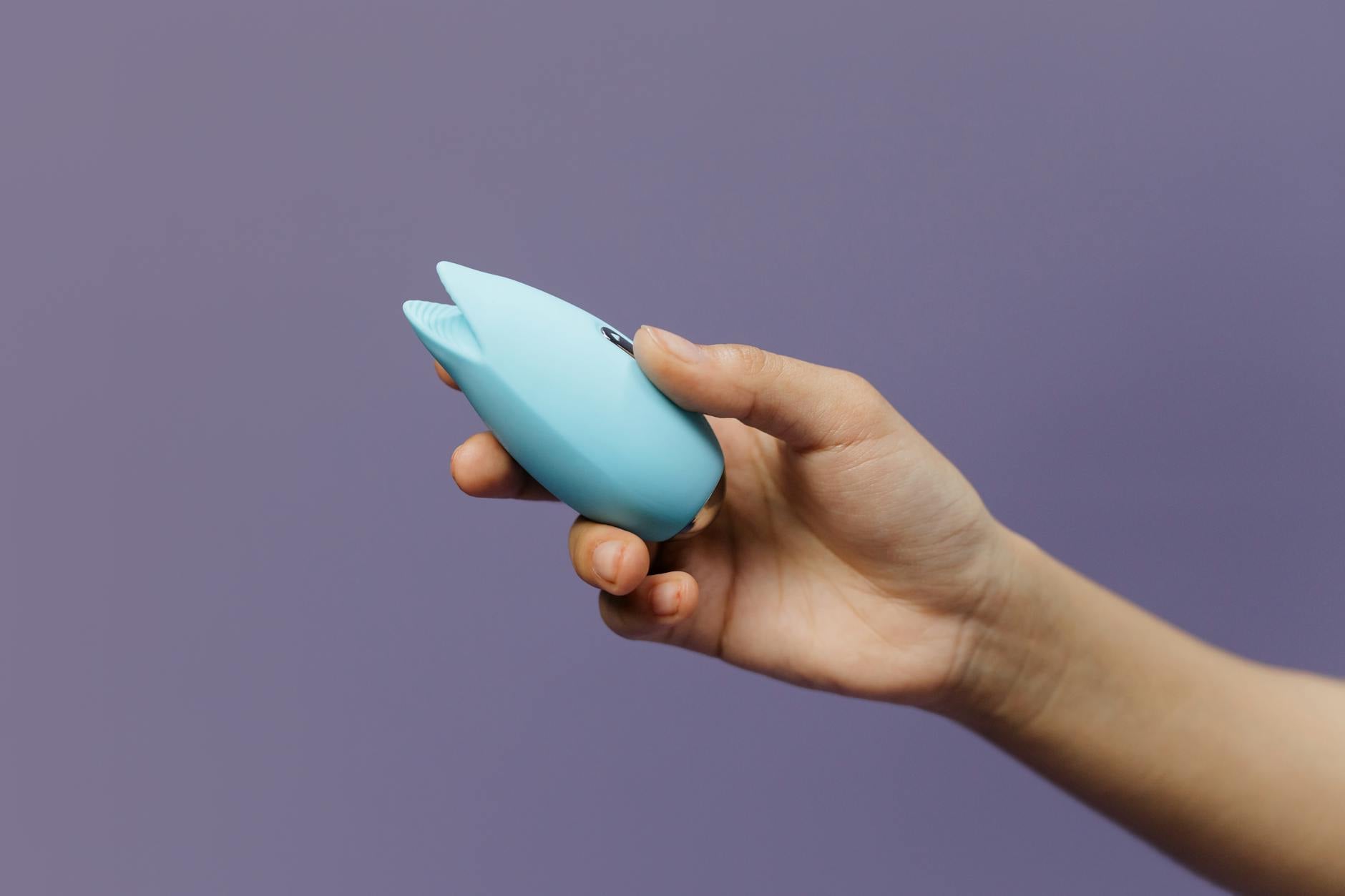
Lemon clitoral vibrators, specifically, are exceptional for this because they use suction stimulation rather than direct vibration. This matters hugely when you're rebuilding. Suction creates a sensation of gentle pressure and pulse that feels like responsive touch, not mechanical buzzing. For someone whose body has learned to protect itself, that responsiveness is psychologically important. It doesn't feel like a toy. It feels like discovery.
The rhythm you can build with a lemon vibrator (starting at the gentlest setting, gradually increasing) also matters. You're literally teaching your nervous system that pleasure builds gradually and safely. You're rebuilding the neural pathway that says "it's okay to unfold here."
Week 1-2: Notice without expectation. Use your lemon vibrator with zero pressure to orgasm. The goal is sensation awareness, not release. Lie down for 10 minutes, start at the lowest setting, and just notice what your body feels. This is meditation with pleasure, not performance. Many people find their arousal building just by consistent, pressure-free exploration.
Week 3-4: Build a rhythm. Now you're allowed to follow the pleasure. If a particular pattern or intensity feels good, stay there. You're learning what your body actually wants now, which might be completely different from before the distance happened. Some people find they want slower stimulation. Others want more intensity than they expected. Neither is wrong.
Week 5-6: Let orgasm be optional. This is where most people panic. If you have an orgasm, excellent. If you don't, that's also excellent. The goal is restoring your body's ability to respond with pleasure, not proving anything. Orgasm pressure kills arousal faster than almost anything else.
Week 7+: Decide if you're ready to invite your partner back in. And you decide. Not your partner, not some calendar, not the relationship timeline. Your body will tell you when it's safe again. You'll know because you'll feel curiosity about sharing this with them, rather than dread or obligation.
Here's the counterintuitive part: couples who do individual pleasure work before reconnecting sexually report dramatically better outcomes. Not because the sex is technically different, but because you've stopped asking your body to betray itself.
When you eventually invite your partner back in, you're not trying to prove you love them with your body. You're not performing or forcing. You're two people who've both taken responsibility for their own nervous systems, and you're meeting from a place of "I've learned I'm still capable of pleasure, and I'd like to explore that with you."
You also learn something crucial: your pleasure isn't dependent on your partner's behavior or presence. This is therapeutic in itself. When emotional distance happened, part of you (even if you won't admit it) probably thought "my desire is broken because of what they did." Rebuilding your own arousal proves the opposite. Your desire isn't broken. It's not even about them. It's about you and your nervous system learning to feel safe again.
I recommend lemon sexual toys in this situation more than traditional vibrators because of how they stimulate. Suction-based clitoral vibrators like the Lem create a sensation that mimics oral stimulation in some ways, but with more control and consistency. You're not dependent on someone else's rhythm or intention. You set the pace.
They're also quieter and less visually clinical than larger vibrators, which matters psychologically. You're not staring at a piece of equipment. You're holding something small, discrete, and intuitive. For someone rebuilding trust in their body, that sensory simplicity helps.
The intensity range matters too. You can start at barely-there and build up as your nervous system allows. There's no rushing. This is the opposite of early-relationship sex where you're figuring out what works on someone else's timeline.
If you've been doing solo reconnection for 8-10 weeks and still feel absolutely nothing, or if your body feels actively repelled by stimulation, couples therapy alongside personal pleasure exploration is worth considering. That level of shutdown sometimes points to deeper betrayal work that needs a professional.
Emotional distance doesn't just mean a partner who's withdrawn. It can also follow infidelity, broken promises, or unresolved conflict. Your body knows the difference between "we're in a rough patch" and "my trust was broken." Sometimes rebuilding pleasure requires rebuilding actual trust first, and that work happens in the room with a therapist, not alone with a toy.
But for the most common scenario? Where distance crept in gradually through work stress, parenting, or just growing apart. Solo pleasure work with a lemon clitoral vibrator is the bridge that works. It's not avoiding your relationship. It's actually investing in it by proving to yourself (and eventually your partner) that pleasure is still possible on the other side of distance.
Completely. This is actually your body doing exactly what it's supposed to do. When emotional safety decreases, sexual desire is one of the first things to shut down. It's protective. You're not broken or frigid or unable to love them. Your nervous system is being rational. The path forward isn't forcing desire back. It's rebuilding the safety that allows desire to return naturally.
There's no universal timeline because it depends on the severity of the distance, whether the underlying issue is being addressed, and your personal capacity to rebuild trust. I've seen couples reconnect within 6-8 weeks of intentional work. I've also seen it take 4-6 months. Solo pleasure exploration usually starts showing results (better arousal, more sensation, occasional pleasure) within 3-4 weeks if you're consistent. Give yourself grace. This isn't a race.
Absolutely, and it can actually help. <a href="/en/blog/can-you-use-lemon-vibrators-with-a-partner-during-sex">Using a lemon clitoral vibrator together</a> removes the pressure of penetrative sex while you're rebuilding. You get to be intimate, vulnerable, and pleasured without the expectation of performance. Many couples find this reintroduction feels safer than jumping straight back into what used to be normal.
Your body's timeline matters more than their readiness. If you're genuinely not ready, sex now will reinforce the neural pattern that sex isn't safe with them. It pushes the rebuilding timeline back further, not forward. A good partner will understand that "I'm rebuilding my own pleasure response first" is actually you investing in your shared future, not rejecting them.
No. In fact, the opposite. You're taking responsibility for your own nervous system instead of asking your partner to fix you. That's actually the foundation of healthy couples sexuality. You're both whole, capable people who choose each other, not halves trying to complete something broken.
That depends on your relationship's communication. Some couples benefit from transparency. "I'm taking some time to reconnect with my own pleasure so we can come back together from a healthier place." Others find that silence feels better. Do what feels honest and safe to you. The work itself is what matters.
Emotional distance doesn't mean your desire is dead. It means your body learned that vulnerability wasn't safe, and it's protecting you. Rebuilding doesn't happen through forcing couple's sex. It happens through solo reconnection, patient exploration, and learning that pleasure is still available to you on the other side of hurt.
A lemon clitoral vibrator becomes a tool in that process. Not a substitute for the relationship work that needs to happen between you and your partner, but a bridge back to yourself first.
Once you're home in your own body again, reconnecting with your partner becomes possible from a place of wholeness instead of performance. That's when real intimacy rebuilds.
Ready to explore what's possible? Start with solo work. Your relationship will benefit more than you expect.