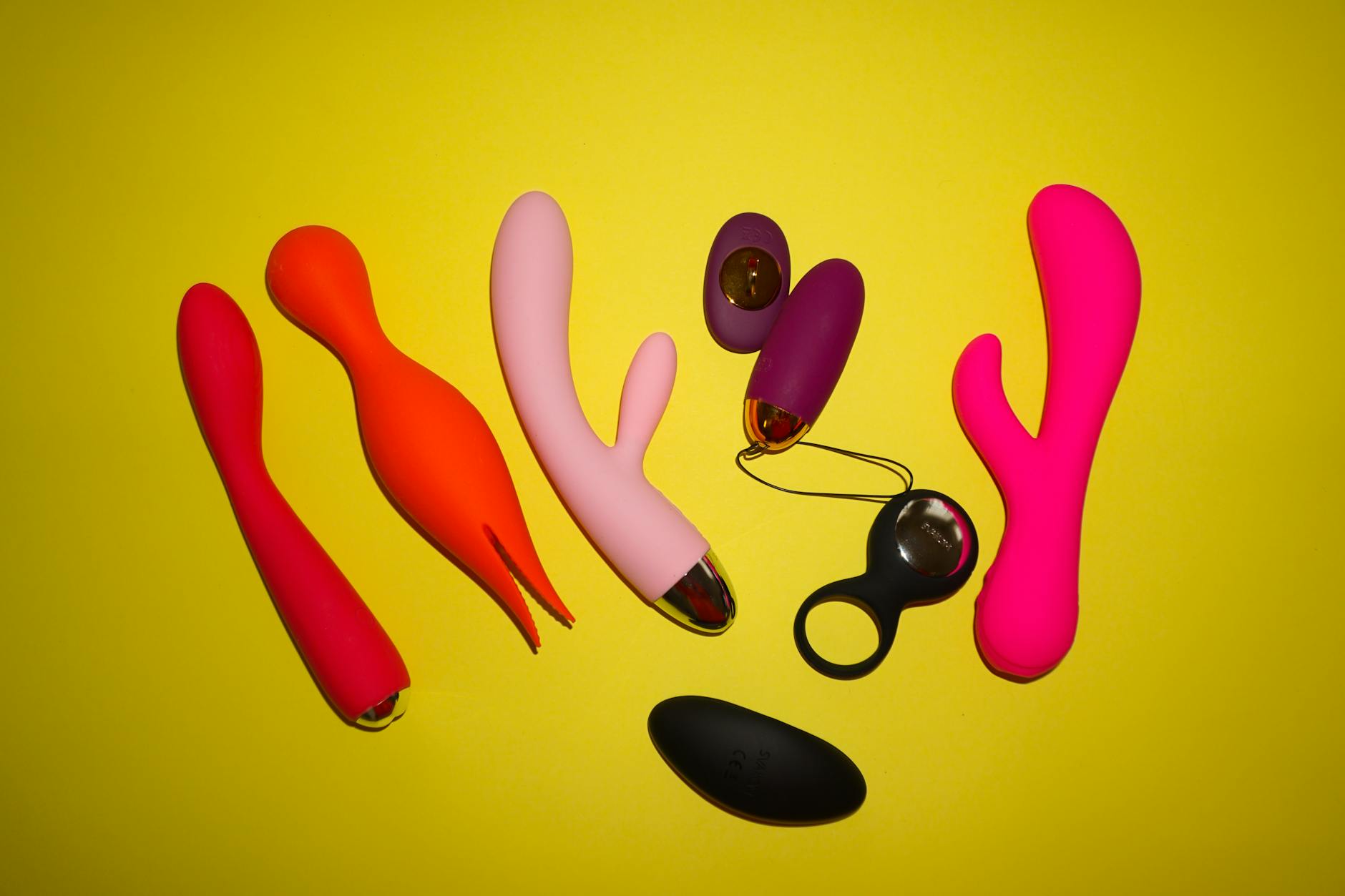
The desire mismatch is real, and it's not your fault
One partner wants sex three times a week. The other wants it once a month. Or maybe the gap is wider. You love each other. You're attracted. But the frequency doesn't align, and that gap has quietly become a source of tension, rejection, and resentment. Here's the thing nobody tells you: the toy you choose can either widen that gap or actually narrow it.
Most couples reach for traditional vibrators because they're the default. They work fine for solo play. But when one partner has lower desire, traditional vibration can actually make the dynamic worse. Lemon clitoral vibrators and other suction-based toys change the equation entirely.
Why traditional vibration backfires when desire mismatches
Traditional vibrators require sustained desire to feel good. You need arousal to build, receptiveness to continue, and mental engagement throughout. When the lower-desire partner is trying to meet the higher-desire partner halfway, they're already operating from a place of compliance, not enthusiasm. A traditional vibrator on top of that compliance often feels like a chore.
Here's what happens psychologically. The lower-desire partner agrees to sex partly to keep the relationship stable. They're not against it, just less interested. A traditional vibrator makes the experience a performance. It requires consistent arousal that might not be there yet. The pressure to feel good, feel aroused, and orgasm on a timeline creates more friction, not less.
The higher-desire partner, watching this, often feels rejected or obligated. They wanted genuine connection, not a favor. Both people end up feeling worse.
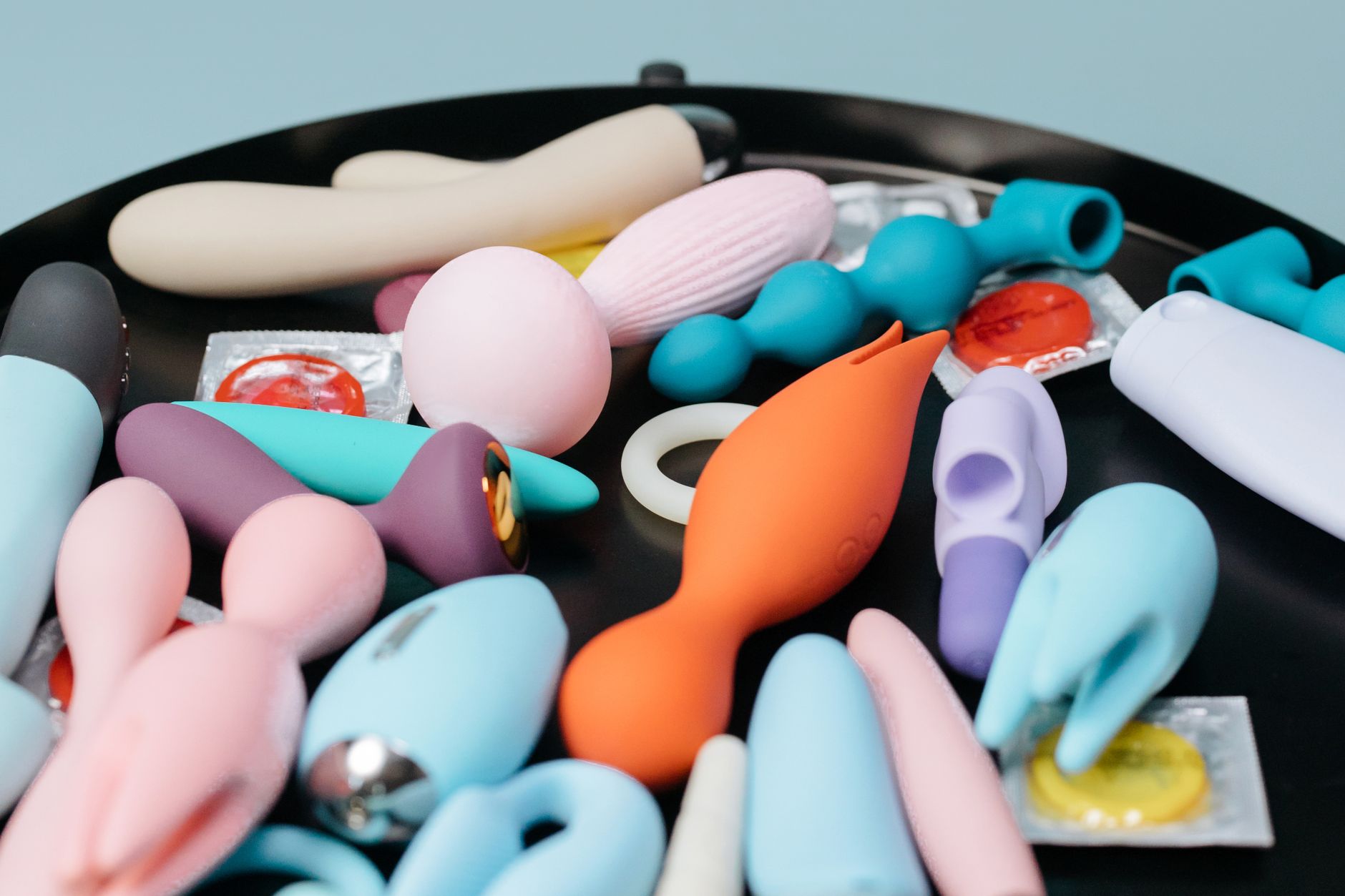
Photo by cottonbro studio on Pexels
How lemon vibrators change the dynamic for couples
Lemon suction toys work through a completely different mechanism. Instead of buzz, they use gentle suction and pulsing. This matters enormously for mismatched-desire couples.
First, suction stimulates the entire clitoral network, not just the surface. This means less sustained arousal is needed to feel good. Someone who's somewhat interested, not fully aroused, can still experience intense sensation. The toy is doing more of the work. Your mind can stay present without performing.
Second, lemon clitoral vibrators feel less clinical. They're gentler, more integrated, less like you're being stimulated "at" and more like you're being invited. This psychological shift matters as much as the physical one. The lower-desire partner feels less like they're in a scene and more like they're genuinely present.
Third, and this is crucial: the experience is faster. A good lemon vibrator can bring someone to orgasm in 8 to 12 minutes, sometimes less. When you're working with lower desire, speed helps. You're not asking someone to sustain interest for 30 minutes. You're asking for 10. That's different.
The emotional architecture that changes
When the higher-desire partner sees the lower-desire partner respond quickly and genuinely to a lemon suction toy, something shifts. It's no longer "I'm doing this for you." It's "I actually felt that." The lower-desire partner isn't performing. They're not faking. The toy is doing so much of the heavy lifting that genuine response becomes possible.
For the higher-desire partner, this removes the invisible weight of coercion. You're not trying to convince someone to want you. You're using a tool that makes their body respond, and that response is real. The difference in how it feels, emotionally, is massive.
That said, a toy is not a substitute for conversation. If the desire mismatch is rooted in resentment, fatigue, depression, or relationship disconnection, no lemon vibrator will fix it. But if the mismatch is just physical frequency, a shift in tools can absolutely help.
What couples report when they switch
From my clinical experience, couples with mismatched desire who move from traditional vibrators to lemon clitoral vibrators usually report three changes.
One. The lower-desire partner initiates more. Not because they suddenly want sex three times a week, but because the experience is less draining. Sex stops feeling like a obligation.
Two. The higher-desire partner feels less rejected. When their partner responds genuinely and quickly, the rejection narrative softens. It becomes "they have lower desire" instead of "they don't want me."
Three. Both people enjoy the time more. Less anxiety, more genuine sensation, less clock-watching. This isn't magic. It's biology and psychology working together.
Practical setup for couples with mismatched desire
If you're considering a lemon vibrator for this reason, here's what works.
Start with lower-pressure expectations. Don't frame it as "let's save our sex life." Frame it as "let's try something that might feel different." Remove the stakes.
Let the lower-desire partner take the lead on when and how. Their autonomy matters. If they want to use it solo first, let them. If they want their partner there from the start, that's fine too. The key is they're choosing, not complying.
Give it at least three to five times before evaluating. Couples often expect immediate transformation. Bodies need time to learn a new sensation. Minds need time to relax around it.
Talk after, not during. Don't ask "Did you feel that?" while it's happening. Let the experience land. Debrief later, casually. What felt good? What was surprising? What would they change?
Remember that a lemon vibrator is a tool, not a therapist. If the desire mismatch comes from depression, relationship problems, or unresolved resentment, you also need to address that. A toy helps, but it's not the whole answer.
Why suction beats vibration for this specific problem
Traditional vibrators work through friction and buzz. They mimic what hands or bodies do. Lemon suction toys work through a mechanism the human body can't replicate alone. That difference is what makes them special for couples with unequal desire.
When you're trying to bridge a gap between partners with different sex drives, you need something that works fast, feels gentle, and doesn't require performance. Suction does all three. Traditional vibration requires more setup, more sustained arousal, more engagement.
This isn't saying vibration is bad. It's saying that for this particular relationship challenge, lemon clitoral vibrators solve a specific problem that vibration can't.
When to seek deeper help
If the desire mismatch is part of a larger pattern of disconnection, a toy won't fix it. Signs you need couples work alongside any physical tools: you're arguing about sex more, you're not touching outside of sexual contexts, you're building resentment, or one partner feels trapped.
A good couples therapist, ideally one trained in the Gottman Method or Emotionally Focused Therapy, can help you understand whether the mismatch is about desire itself or about something deeper. Sometimes it's just biology. Sometimes it's about feeling emotionally safe. Sometimes it's about unprocessed conflict.
A lemon vibrator can help with the biology. A therapist helps with the rest.
The bottom line
Desire mismatch is one of the most common relationship challenges, and it's also one of the least discussed. You feel isolated, like something's wrong with one of you. Usually nothing is wrong. You're just different people with different libidos, and that's normal.
The tool you choose matters. If you've been using traditional vibrators without much luck, trying a lemon clitoral vibrator can shift the whole dynamic. Not because it's a magic fix, but because it solves a real physics problem: how to create genuine pleasure quickly, without requiring sustained arousal from someone whose arousal works differently.
That small shift in sensation can create a larger shift in how you both experience intimacy together.
FAQ
Will a lemon vibrator fix our desire mismatch?
No, but it can help. If the mismatch comes from biology or frequency differences, a suction toy often makes the experience faster and less draining for the lower-desire partner, which can reduce tension. If the mismatch comes from resentment, depression, or relationship disconnection, you also need to address those issues. A toy is one tool, not the whole solution.
Can the higher-desire partner use it too?
Absolutely. Lemon clitoral vibrators work for anyone with a clitoris, regardless of desire level. Some couples find that using it together, or taking turns, creates a different kind of intimacy. It's less about performance and more about shared exploration.
How do I bring this up to my partner without it feeling like pressure?
Keep it light and factual. "I read that some couples with different sex drives find suction toys helpful. Want to try one?" Remove the urgency. Don't frame it as a last-ditch effort to fix things. Frame it as curiosity. If they say no, drop it. If they're open, let them help choose.
What if my partner thinks I'm not attracted to them anymore?
That's a separate conversation that a toy won't solve. You might need to talk with a therapist about what the desire mismatch means to each of you. For some people, lower desire means nothing about attraction. For others, it does. Understanding that difference is crucial.
How is a lemon vibrator different from just using hands?
Hands are intimate and responsive, but they can't sustain the exact sensation indefinitely, and they require the other person to be aroused enough to enjoy direct stimulation. Lemon suction toys deliver consistent sensation that can work on bodies that aren't fully aroused yet. They're faster and require less participation from the lower-desire partner, which changes the dynamic for couples navigating mismatched libido.
Should we use it every time we have sex?
No. Some couples use it every time. Others use it occasionally. Some use it alone and never with a partner. There's no rule. Let it develop naturally. If it becomes obligatory, it stops working. If it stays optional and fun, it usually helps.