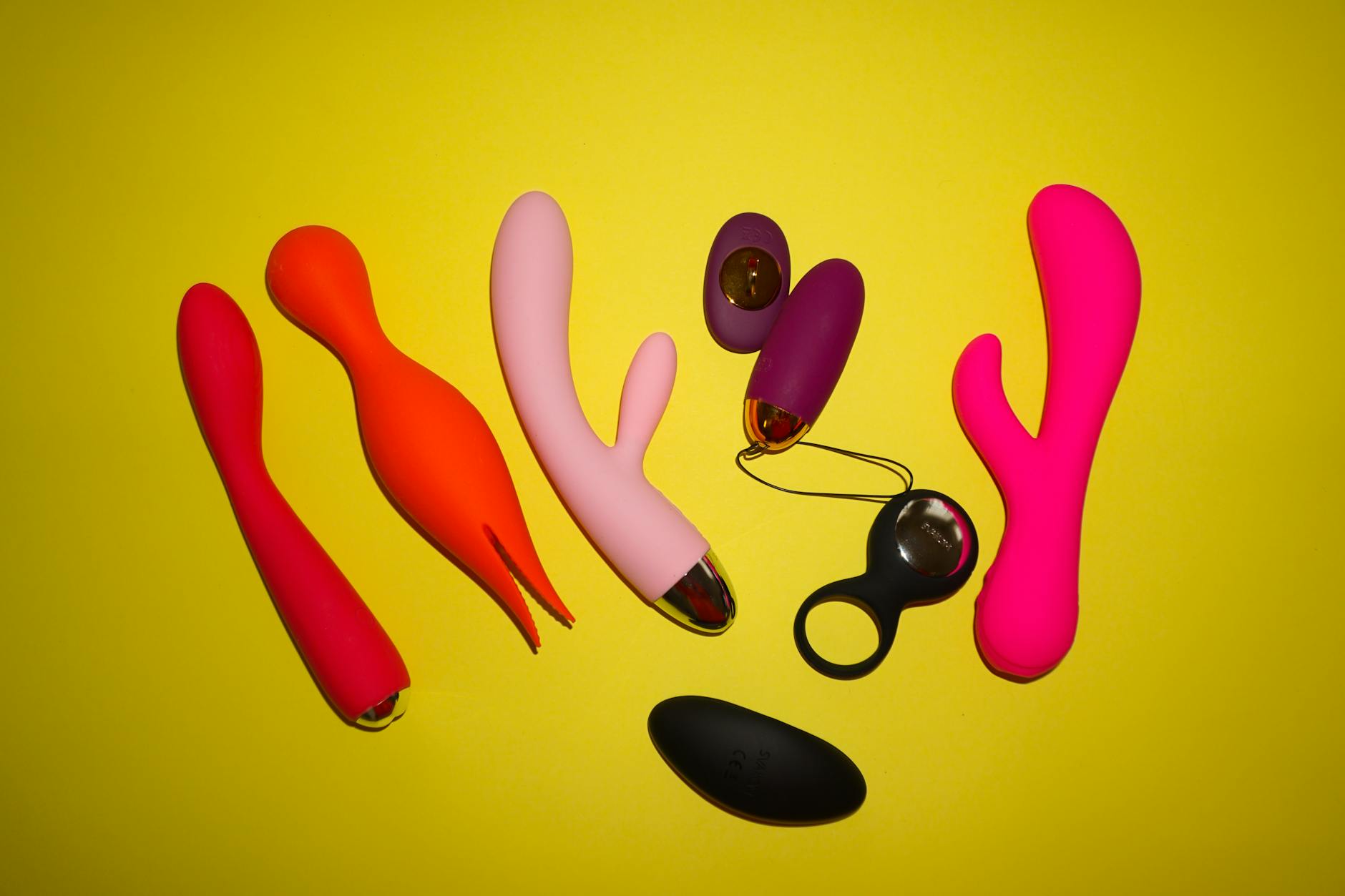
Let's be real about what changes
Your body doesn't stop responding when hormones shift. It responds differently. And that difference matters more than anyone tells you because most sex toys are designed for one type of response. Suction-based lemon vibrators work with your body's actual physiology instead of against it, especially when tissues thin out or sensitivity patterns change.
I've watched countless people discover that what worked beautifully at 30 leaves them sore at 45 or 50. That's not failure. That's information. The solution isn't to accept less pleasure. It's to switch tools.
How hormonal changes affect tissue
When estrogen levels drop, the tissue lining your vulva loses thickness and elasticity. It becomes more delicate, more easily irritated by direct friction. The clitoral hood retracts slightly. Lubrication patterns change, meaning the whole area needs different stimulation mechanics to feel good without discomfort.
Traditional vibrators apply oscillating pressure directly to the tissue. Imagine tapping the same spot repeatedly on thinner skin. It works, but it can feel harsh, numb-inducing, or even painful after a while. Suction-based tools like the Lem operate on a completely different principle. Instead of friction, they create a gentle vacuum that stimulates nerve endings without the same mechanical pressure.
Here's the key difference: vibration is something happening to your tissue. Suction is something your tissue moves into. Your body controls the pressure by moving closer or pulling back. That agency, combined with the gentler stimulus, often makes suction feel more intuitive and more pleasurable when your body has become sensitive to direct contact.
Why suction-based lemon vibrators adapt better
When you use a traditional vibrator on sensitive tissue, you're managing two variables: intensity level and positioning. Miss either one and you get buzzing without sensation, or sensation that borders on uncomfortable. With a lemon clitoral vibrator powered by suction, you're managing suction strength and rhythm, but more importantly, you're using your own body's movement to control contact.
The tissue doesn't have to absorb repeated impact. Instead, it experiences a gentle, rhythmic compression that feels almost like a massage. For people with thinner, more delicate tissue after hormonal changes, this is the difference between "this feels kind of nice" and "I never want to stop."
I've also noticed that people using lemon suction toys report less post-play irritation. That redness or tenderness that can linger for hours after traditional vibration often doesn't happen with suction. Your tissue isn't being beaten; it's being coaxed.
The warm-up shift you actually need
Hormonal changes don't just affect tissue thickness. They change how quickly arousal builds. What took three minutes at 35 might need ten at 50. This isn't dysfunction. It's a rhythm change.
With lemon adult toys and suction-based design, this longer warm-up becomes an advantage instead of a frustration. Start on the lowest suction setting. Let your body acclimate to the sensation for several minutes. Notice how the stimulus feels different at different moments of your cycle. You're not forcing arousal; you're following it.
Many people find they need to start with indirect stimulation through the clitoral hood rather than direct contact. A lemon vibrator's suction works beautifully for this. You're building sensation gradually, allowing blood flow to increase naturally, without the harsh sensation that can happen when traditional vibration catches sensitive tissue.
Lubrication matters differently now
With thinner tissue and less natural lubrication, the role of added lubricant shifts. You're not just adding comfort; you're changing how the suction tool engages with your body. Water-based lubricant creates a gentle seal that helps the suction function smoothly without tugging or friction.
Apply lubricant generously. More than you think you need. The goal isn't slickness; it's a smooth interface between the tool and your tissue. With traditional vibrators, excess lube can reduce sensation. With a lemon clitoral vibrator using suction, it usually enhances the experience because it allows the seal to form and release without catching.
Silicone-based lubricants can damage silicone toys, so stick with water-based options. Reapply midway through if needed. Your tissue will tell you when lubrication is dropping because the sensation changes from smooth to slightly sticky.
The positioning and angle game
Your body's shape and the way your clitoris sits beneath its hood might shift slightly with hormonal changes. What angle worked for penetrative play might not be the angle that works best for clitoral stimulation now.
With a handheld lemon vibrator, you have control. Angle it directly, angle it off to the side, apply it through the hood, use it lower on the vulva. The suction design is forgiving enough that many angles work, unlike traditional vibrators where the wrong angle feels awful.
Pay attention to where you feel the strongest sensation. This changes over time. The sweet spot at 40 might not be the sweet spot at 55. Give yourself permission to explore and relearn your own body as it changes. That exploration is part of the pleasure.
Intensity progression with hormonal bodies
Traditional vibrators come with intensity settings that feel like a cliff. Level three might be gentle, level four might be overwhelming. With suction-based lemon sexual toys, the intensity curve is typically smoother. Lower settings feel genuinely gentle rather than annoyingly weak.
Start low. Spend time there. Let your nervous system adjust. Many people who switched from traditional vibrators to a Lem or similar suction tool report that they can reach orgasm at lower settings and experience more pleasure doing it. This isn't because they're becoming less responsive. It's because the stimulus matches their body's actual needs.
As you become more aroused, you can gradually increase suction strength. Your body will tell you when it wants more. The advantage here is that progression feels natural rather than forced. You're not hunting for the magic number on a dial. You're following your own arousal curve.
Partner play considerations
If you're using a lemon clitoral vibrator with a partner, the suction-based design offers something traditional vibrators don't: easy communication about what's happening. The sensation is gentler and more localized, which means your partner can observe your responses more clearly. You're more likely to stay present and less likely to disappear into numbness.
For people rebuilding desire and intimacy after hormonal shifts, this presence matters. You're in your body, your partner sees you're in your body, and the whole experience becomes connected instead of performative.
When to talk to a specialist
If suction feels uncomfortable right away, or if you experience pain that doesn't ease with gentler settings and good lubrication, that's worth discussing with a menopause-trained GP or gynecologist. Genitourinary syndrome of menopause is real and treatable. Topical estrogen can restore tissue thickness in weeks. Testosterone therapy can restore desire. These aren't Band-Aids; they're solutions that change the whole picture.
A lemon vibrator can work beautifully alongside these treatments. As your tissue responds to therapy, you might notice that higher suction settings become comfortable, or that sensation deepens. You're not fighting your body anymore. You're working with it.
The pleasure ahead
Here's what I want you to know: hormonal shifts don't end your sexual life. They change the tools that work. Discovering that a lemon clitoral vibrator feels better than the toy you loved at 35 isn't a loss. It's adaptation. It's your body telling you what it needs now.
Many of the people I work with report that their most intense, most satisfying orgasms come after they switch to a tool designed for their actual body rather than fighting with one designed for a younger version. That's not consolation. That's the truth of what's possible.
Frequently asked questions
Does suction feel too intense if I have sensitive tissue?
No. In fact, it usually feels less intense than traditional vibration. The lowest suction settings feel genuinely gentle, not annoyingly weak. You're not forcing pressure into sensitive tissue; you're creating a gentle pulse that most people find soothing at first and increasingly pleasurable as arousal builds.
Can I use a lemon vibrator if I'm also using hormone therapy?
Absolutely. If anything, using a suction-based toy can help you notice changes in your body as hormone therapy works. You might find that as tissue thickness increases, higher suction settings become available to you. The toy grows with your body's recovery.
How long does it take to feel pleasure with a lemon clitoral vibrator if I'm used to traditional vibration?
Most people need two or three sessions to adjust. The sensation is different enough that your nervous system needs time to learn it. Start with low settings and no time pressure. Don't expect the same response on day one that you'll have on day three.
Is water-based lubricant enough, or do I need something else?
Water-based lubricant is exactly what you need. It works with suction-based design better than anything else. Apply generously, reapply as needed, and pay attention to how sensation changes as lubrication decreases. Your body will tell you when it's time to add more.
What if suction doesn't work for me even after trying multiple times?
Then you know. Not every tool works for every body. That's useful information. Talk to a menopause-trained specialist about your specific tissue changes. There might be underlying factors that need attention before any pleasure tool will feel good. You deserve support in figuring that out.
Can lemon sexual toys help if I have vaginismus or pelvic floor tension?
They can, but with caution. The gentleness of suction-based stimulation is often less triggering than traditional vibration, but pelvic floor tension needs professional support. Consider talking to a pelvic floor physical therapist alongside exploration with a gentler tool. They work well together.
Your body's changes are not the end of pleasure. They're an invitation to discover what actually works now. A lemon vibrator designed for sensitive tissue is often exactly what you need to find out.